Timur Pepper : Elevate Your Dishes with This Citrus Kick

Timur pepper, scientifically known as Zanthoxylum armatum, is a fascinating spice that originates from the Himalayan regions of Nepal and Bhutan. Often compared to Sichuan peppercorn, Timur pepper is celebrated for its vibrant citrus aroma, distinctive tingling sensation, and complex flavor profile. As culinary enthusiasts and health-conscious consumers alike seek out unique and beneficial ingredients, Timut peppercorn stands out as a culinary treasure with a plethora of uses and benefits.

Zanthoxylum armatum belongs to the Rutaceae family, which is commonly associated with aromatic plants. This deciduous shrub or small tree typically grows between 1 to 4 meters in height and thrives in the subtropical climates of the Himalayan foothills. The plant features compound leaves with numerous leaflets and produces small, yellowish-green flowers that eventually develop into the characteristic peppercorns.

The timur pepper themselves are harvested from the plant’s fruit and are usually dried before being used in culinary applications. Their aromatic profile is characterized by a combination of citrusy and woody notes, making them a versatile ingredient in both traditional and contemporary cuisines.

Timur (Zanthoxylum armatum) Pepper fruiting


Major Components

Timur pepper is rich in various bioactive compounds that contribute to its unique flavor, aroma, and health benefits. Key components include:

Saponins

These compounds are known for their foaming and emulsifying properties. In Timur pepper, they contribute to its mouthfeel and potential health benefits, including lowering cholesterol and supporting immune function.

Essential Oils

The citrusy aroma of Timur pepper comes from its essential oils, primarily composed of limonene, linalool, and β-caryophyllene. These oils provide a refreshing fragrance and stimulate the senses.

Alkaloids

Compounds like piperidine and other alkaloids add to the spice’s complex flavor profile and may have medicinal properties.

Flavonoids

These antioxidant compounds combat oxidative stress, potentially reducing the risk of chronic diseases.Volatile

Compounds

Timut peppercorn contains various volatile compounds that enhance its flavor and aroma, making it a valuable addition to culinary applications.

Timur Pepper before Harvesting


Culinary Uses:

Timut peppercorn is versatile and can be employed in various culinary applications. Here are some popular uses:

Seasoning

Timut peppercorn can be used whole or ground to season meats, fish, and vegetables. Its zesty flavor enhances stir-fries, soups, and sauces, adding depth and complexity.

Condiments

The spice is often used in chutneys, pickles, and marinades, pairing well with fruits and enhancing the overall taste of condiments.

Beverages

Timut peppercorn can be infused into teas or cocktails, providing a refreshing twist. Its citrusy flavor complements herbal and fruity drinks beautifully.

Desserts

Surprisingly, Timur pepper can be incorporated into desserts, lending its unique flavor to chocolates, sorbets, and fruit-based dishes. This innovative use showcases the spice’s versatility in both savory and sweet recipes.

Culinary Innovation

Modern chefs are increasingly incorporating Timut peppercorn into gourmet recipes, utilizing it to create unique flavor profiles in fusion cuisine.

Timut peppercorn without seeds

Health Benefits:

Timur pepper is not just a culinary delight; it also offers numerous health benefits:

Antioxidant Properties

The flavonoids and essential oils in Timur pepper are known for their antioxidant properties, helping to combat oxidative stress and reduce the risk of chronic diseases.

Anti-Inflammatory Effects

Timur pepper possesses anti-inflammatory properties that can alleviate symptoms of conditions like arthritis and other inflammatory disorders.

Digestive Aid

Traditionally, Timur pepper  has been used to improve digestion. Its compounds stimulate the digestive system, promoting better nutrient absorption and reducing bloating.

Immune Support

The saponins found in Timur pepper  contribute to immune system health, helping the body fend off infections and illnesses.

Pain Relief

The tingling sensation experienced when consuming Timur pepper is due to its analgesic properties. It may help alleviate minor pains and discomfort.

Circulation Improvement

The spice is believed to enhance blood circulation, benefiting cardiovascular health.

Industrial Uses:

Timur pepper has significant industrial potential beyond its culinary applications. Its unique properties can be leveraged in various sectors:

Food Industry

The demand for natural and exotic spices is rising in the food industry. Timur pepper can be marketed as a premium spice, appealing to gourmet chefs and health-conscious consumers.

Cosmetic Industry

The essential oils derived from Timur pepper can be utilized in cosmetics and personal care products for their aromatic and potential skin benefits.

Pharmaceutical Industry

Research into the medicinal properties of Timur pepper may lead to the development of new supplements or natural remedies, particularly in areas related to anti-inflammatory and antioxidant effects.

Natural Health Products

The health benefits associated with Timur pepper can be harnessed in the production of dietary supplements and herbal remedies, catering to the growing market for natural health products.

Aromatherapy

The essential oils extracted from Timur pepper can be used in aromatherapy products, promoting relaxation and well-being through their invigorating aroma.
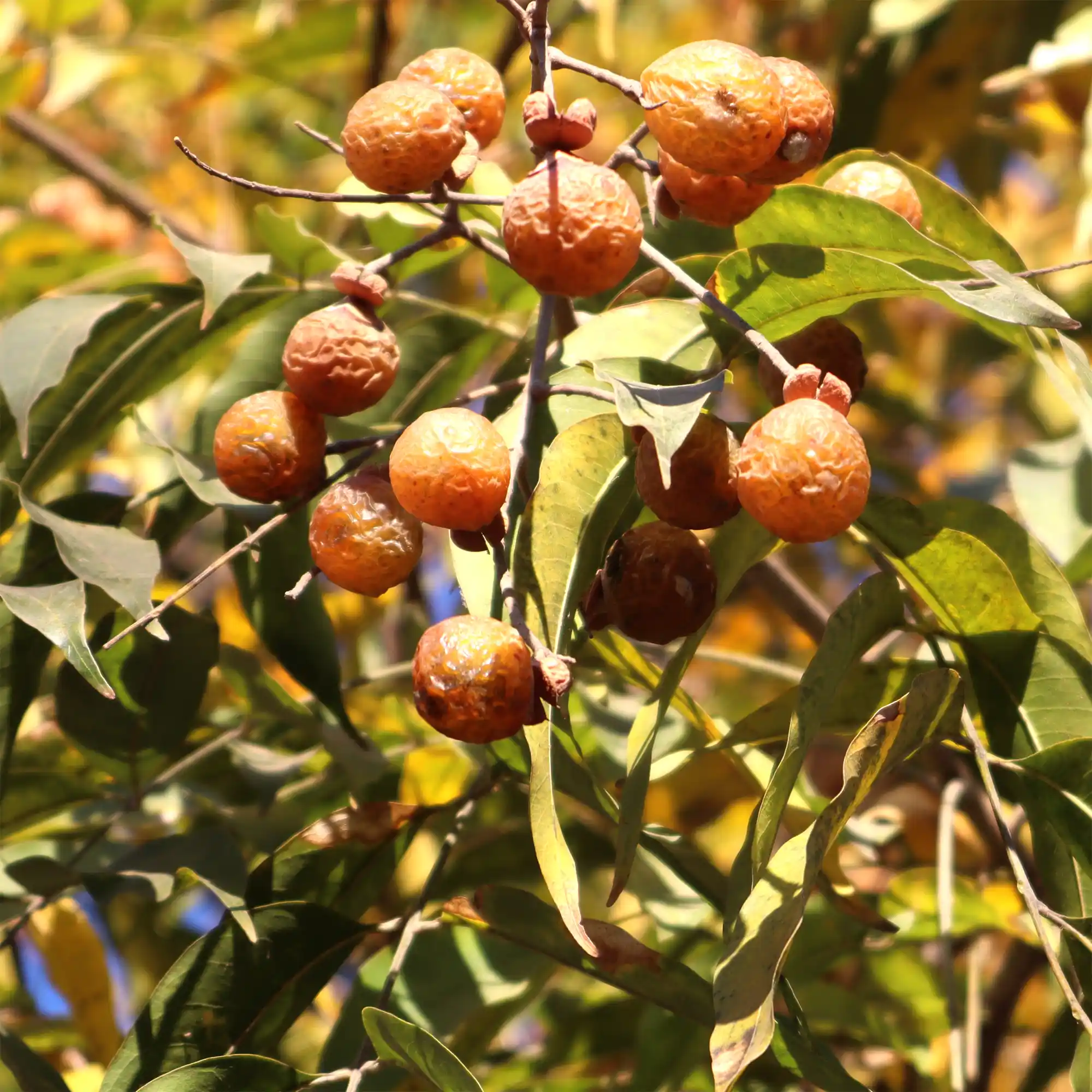
Soapberries – Healthy Planet, Healthy People !

Soapberries or soap nuts as you might know them. Are they as good for us as the growers and suppliers would have us believe?
First, let’s get back to basics – what is a soapberry? The trees and shrubs which are the basis of this family of plants are found in tropical and sub-tropical areas of Nepal and India and have been used in South Asia for centuries as a soap and medicine. The ‘berry’ itself grows in clusters and is about the size of a small plum.

Research has taken place into the health benefits of ingesting soapberries (saponins found in soapberries, and other plants, are suggested to be an anti-carcinogen). Some Native Nations in North America, as well as auyvedic practitioners in Asia, use them medicinally.
But today we are looking at their use as a laundry detergent and multi-purpose cleaner. Luckily for us, however, there are health benefits in using them as a cleaner, as we will find out!

Soapberries Fruit before harvesting

The soapberries that National Organics are using are grown in the hill regions of Nepal.  Provided with the right altitude and climate the soapberry trees thrive in places which are quite difficult for people to access. Yes, all the best things are hard to come by! And, given that saponin (natural chemical found within plants that produces a lather), is a natural insect repellent, insects and pests find soapberries hard to access too! Making them well suited for organic production.

The lather producing quality of the soapberries is ideal for using as an alternative to chemical laundry detergents. But why would we want to go through the trouble of collecting these little nut-like berries and taking the time to either create a liquid from the soapberries in our homes or fiddle around with the berries themselves in our washing machines when we can simply pour in some commercially bought chemical detergent?

Healthy Planet

Soapberries, also known as soap nuts, offer environmental benefits by serving as an alternative to conventional cleaning chemicals. Washing with these little fruits, rich in saponins, eliminates the need for harsh chemicals like detergents and soaps, which are known to harm ecosystems and rivers. Berries decompose completely, which means that they do not leave any potentially dangerous elements behind. After you have used them, you may also burn them, which will assist you in avoiding making any waste! Because soapberry plants do not require a tremendous deal of resources, cultivating them is a simple process. This makes them an excellent resource that we can utilize endlessly, contributing to the reduction of our cumulative carbon footprint. If we adopt soapberries instead of synthetic products, we will be able to safeguard marine life, reduce the amount of chemical runoff, and reduce the amount of packaging we use.

Since they contain no harmful substances, they are safe for people and the environment. Soapberries have a wide range of applications and contribute to the preservation of natural ecosystems while simultaneously motivating individuals to lead simpler and more healthful lives. All of them play a significant role in our efforts to make the world a better and healthier place.

Healthy People

Soapberries are wild crafted, organic, and have no known side-effects. Quite the opposite – soapberries have many health benefits. They are anti-fungal, anti-microbial and anti-bacterial, assisting with the control of eczema, psoriasis and dandruff when used as a tropical treatment. Due to the saponin within the berries, they can help control cholesterol, maintain healthy bones and stimulate the immune system. There is even suggestion and research, into their power to limit the growth of cancerous cells (see Rao AV and Sung MK on https://www.ncbi.nlm.nih.gov/pubmed/7884557)

While we leave the medical experts to carry on their research, I can safely tell you that soapberries are much less harmful to people and animals than chemical detergents. Just look at the negatives of chemical detergents:-

• Most laundry detergents contain bleaching reagents, such as chlorine. They also contain oxidizing agents that are used to whiten clothes and remove stains. These bleaching agents can irritate skin, lungs, eyes, and further aggravate respiratory problems.

• Commercial washing detergents are packaged with several chemicals to add fragrance.

• Usually, surfactant – extremely notorious toxins – are used as cleaning agents in chemical detergents. These can have severe effects on skin and are linked to irritation.

• In order to increase the shelf-life of detergents, stabilizer are used. Stabilizers, being a chemical product in themselves, are harmful for eyes, lungs, and skin.

• Usually chemicals are used as brighteners in detergents so as to make the clothes look shinier. These chemicals accumulate ultraviolet light to which pose great risk to healthy skin.

Soapberries after harvesting

Now take a look at the side-effects of soapberry detergent:-

Yes, that’s right, there are no known negative side-effects.
Oh, but do not try to eat them. While they will not make you ill, they taste bitter and soapy!

Happy People

Not only are customers very happy with their soapberries, the communities National Organics source the soapberries from are too.
National Organics source their soapberries ethically, providing fair wages and other benefits (such as education, literacy, and training) to the communities they work with. You can find out more about the growers and communities https://www.grownepal.org.np

Testimonials

Our Clients' Experiences, Feedback and Stories