Wintergreen Oil: Benefits, Uses, and Risks

Wintergreen oil is valued for its refreshing, minty scent and remarkable medicinal benefits, sourced from the leaves of the Gaultheria fragrantissima plant. Methyl salicylate, chemically analogous to aspirin, is the principal active component in the oil. This improves its effectiveness in reducing inflammation and discomfort. This oil possesses a significant history in traditional medicine and is especially esteemed for its ability to relieve pain and reduce inflammation. Wintergreen essential oil is utilized to relieve several conditions; nevertheless, caution is required owing to its potency, which may lead to negative effects.

In this blog post will examine the various benefits, potential hazards, and several uses of Wintergreen essential oil to aid you in making an informed choice about its incorporation into your health routine.

Wintergreen Essential Oil Benefits:

Pain relief

People widely recognize wintergreen essential oil for its ability to treat pain. Wintergreen oil’s methyl salicylate concentration makes it analgesic like aspirin. It eases muscular, joint, and arthritic pain.

It reduces inflammation

Wintergreen oil greatly decreases inflammation. It alleviates rheumatoid arthritis, tendinitis, and muscular challenges by reducing swelling and inflammation. Dampened oil helps relieve pain and stiffness.

Provides Muscle Relief

People use wintergreen to soothe painful muscles, especially after rigorous activity. Oil increases circulation and loosens tight muscles after an exercise, relieving tightness and inflammation. Additionally, it helps improve flexibility and speed recovery from physical exertion.

Finding headache relief

Cold and calming wintergreen oil helps relieve tension headaches and migraines. The menthol-like smell promotes blood flow and cools the head, neck, and shoulders, relieving headaches and discomfort.

Aids breathing

Wintergreen essential oil can cleanse your nasal passages and enhance breathing. Its decongestant properties treat colds, sinusitis, and coughs. Wintergreen oil vapors soothe and open lungs, making breathing easier.

Increases mental clarity

Wintergreen oil aromatherapy wakes you up and improves concentration. The oil’s pleasant fragrance may boost focus, attentiveness, and alertness, making it ideal for accurate mental tasks.

Reducing muscular tension

Wintergreen oil relieves muscular spasms and tension when massaged. It soothes muscular soreness, stiffness, and fatigue.

Features of antioxidants

Antioxidants in wintergreen oil protect cells from reactive stress. Antioxidants destroy free radicals, improving health and slowing aging.

Antibacterial, antifungal

Antimicrobial oil kills bacteria and fungus. Wintergreen oil fights infections and fungi and prevents skin germs.

Promotes skin health

Wintergreen oil has antibacterial and anti-inflammatory properties for the face. This treatment works for acne, tiny wounds, and bruises. Its cooling effect increases blood flow to soothe sensitive skin and heal wounds.

Wintergreen essential oil can be used for:

Relief of pain in specific areas

You can massage wintergreen essential oil into sore muscles or joints to alleviate the pain. You can mix it with a carrier oil, such as coconut or jojoba oil. As promised, it works well to reduce swelling and ease pain or strain in muscles.

Use aromatherapy to alleviate headaches

If you want to help ease headaches and migraines, diffuse wintergreen oil in your home or at work. As a result, the exciting smell may help reduce stress and promote a state of calmness, which can help ease the pain and discomfort of a headache.

Infusion for a relaxing bath

Adding a few drops of wintergreen oil to your bath water will use its cooling effects, which are especially good for relieving pain in sore muscles and joints. When combined, the relaxing effects of the water and the pain-relieving effects of Wintergreen oil make it a wonderful way to help muscles heal.

A holistic way to help with cold and flu symptoms

It is helpful to breathe in steam that contains wintergreen essential oil during the cold and flu season because it clears out stuffy noses and makes breathing easier. The decongestant properties make it easier for stuffy noses to open up and ease irritation in the lungs.

Recovery of muscles

Individuals who are physically active or who have recently recovered from heavy physical activity may find that wintergreen oil helps ease soreness and speeds up the healing of muscle function. After exercise, apply it externally to the sore muscles to aid in rest and healing.

Easy Pain Relief Ointment

Make your own pain relief cream by mixing wintergreen essential oil with oils that work well together, like peppermint and eucalyptus. This homemade mixture is a helpful way to ease muscle pain, stiff joints, and headaches.

Keeping bugs away

Natural bug repellents like wintergreen oil work very well. Researchers have found that the strong smell can keep mosquitoes and other insects away. Putting wintergreen oil on your skin or letting it diffuse in your surroundings can be a good way to keep flies away.

Care for the skin

Wintergreen oil’s inherent antibiotic properties enable its application on skin prone to acne. It helps fade scars and imperfections, calms irritated skin, and speeds up the healing of small cuts.

Substance for Cleaning

Unfortunately, wintergreen oil can’t kill germs, but it can kill bacteria that cause infections. After cleaning, add a few drops to your cleaning solutions to get rid of germs, freshen up the room, and get rid of unpleasant smells.

Massage oil

Mix Wintergreen essential oil with a carrier oil and rub it into your skin to relieve stress and help you feel calm. Due to its calming and refreshing effects, it is a wonderful choice for healing massage.

Despite its numerous health benefits, Wintergreen Essential Oil should be used with caution due to potential side effects.

Undissolved wintergreen oil may irritate or cause allergic responses. Mix it with a carrier oil before applying it to the face.

Wintergreen oil contains methyl salicylate, which can make children sick if swallowed or absorbed via the skin. Avoid using it on newborns and toddlers.

Even small amounts of wintergreen oil can lead to poisoning, resulting in symptoms such as nausea, vomiting, and disorientation. Consumption is bad.

Wintergreen oil is contraindicated during pregnancy and lactation owing to risks.

Wintergreen essential oil may interact with anticoagulants like warfarin and aspirin. If you take medication, consult your doctor before using this oil.

Excessive use of wintergreen oil during massage may exacerbate asthma and other respiratory disorders.

This product is not suitable for sensitive skin, as it may cause redness. Patch testing is required before extended use.

Overuse of wintergreen oil can cause methyl salicylate poisoning, dizziness, disorientation, and organ damage.

Wintergreen oil can burn or irritate eyes and mucous membranes; therefore, avoid contact.

Not advised for certain health conditions: Avoid wintergreen oil if you are sensitive to salicylates, have renal difficulties, or have bleeding disorders.

Follow these Wintergreen essential oil usage instructions to maximize safety and benefits.

Haritaki Fruit: King of Medicines !

Haritaki Fruit, scientifically known as Terminalia chebula, is frequently referred to as the “King of Medicines.” This is linked to the plant’s effectiveness in Ayurveda. These terms are often used interchangeably by many individuals. The herb haritaki, believed to have its roots in South Asia, is widely utilized in traditional medical practices. It is esteemed for its extensive nutritional profile, versatility in applications, and remarkable health advantages. This plant’s fruit plays a vital role in Ayurvedic medicine. This is due to its ability to harmonize the three doshas: Vata, Pitta, and Kapha. After drying, it is typically enjoyed in the form of a powder or capsule. Next, we will explore this amazing fruit, highlighting its benefits, uses, and active components.

Key Components of Haritaki Fruit: Nature’s Healing Power

Components of haritaki that are not only active ingredients but also nutritional  It is a rich source of both critical nutrients and bioactive compounds, both of which contribute to the medicinal properties that haritaki contains. Haritaki is a fruit that is native to the Pacific Ocean. The following is a list of some of the most essential components currently available:

What are tannins?

Haritaki contains concentrated forms of tannins, known for their potent antioxidant, antibacterial, and astringent actions. Haritaki has a high concentration of tannins. It is of the utmost importance that these compounds are present in order to facilitate good gut function and detoxification in the body.

The acid chebulinic from citrus:

This bioactive component is well-known for the significant anti-inflammatory and antioxidant properties that it contains. Individual health and lifespan are improved by these actions.

The hydroxide of sodium:

The important component that contributes to the anti-aging and heart-protective qualities of Haritaki is gallic acid, which is an antioxidant that helps prevent oxidative stress. Haritaki is a fruit that is native to the Pacific Ocean.

What are flavonoids?

Haritaki fruit is related to the natural plant pigments that are contained in the fruit, which are responsible for its characteristics of stimulating the immune system and reducing inflammation.

Minerals That Are Necessary for Life:

The haritaki fruit has a high concentration of copper, magnesium, and potassium, all of which are necessary for the body to possess in order to ensure that its functions continue to operate as intended.

The active components of Haritaki impart many health benefits. You must include it in your all-encompassing health program.

Digestive health benefits from it.

The digestive system benefits from haritaki, which you may not know. It helps with regular bowel movements and mild constipation by acting as a laxative. Its tannins help strengthen and tone the intestinal walls, which helps alleviate gas, acidity, and dyspepsia, among other gastrointestinal issues. When it comes to irregular digestion, haritaki is a natural option that can help with improving food intake and maintaining healthy gut flora.

Its assistance facilitates detoxification.

A wonderful way to cleanse the body is with haritaki. It is believed that the improved function of the kidneys and liver will aid the body in eliminating toxins. Chlorella can aid in the detoxification process, blood purification, and cell repair. Its ability to facilitate the body’s natural cleaning process makes it a beloved component of many Ayurvedic regimens.

It helps the body to fight against diseases.

The antioxidants, flavonoids, and tannins are plentiful in haritaki. They aid the immune system by snatching up free radicals. Regular Haritaki eating increases the formation of white blood cells, thereby enhancing the immune system’s ability to combat illnesses effectively.

Helps in controlling one’s weight.

By keeping the metabolism running smoothly, the fat-burning herb haritaki can help you shed those extra pounds. Keeping your intestines healthy might help you digest food better and absorb more calories. In addition to aiding in the regulation of hunger, it helps with digestion by easing the process and eliminating waste.

Keeping your skin’s protective barrier intact

Soon after you use haritaki, you will notice a dramatic change in the texture and brightness of your face. The antioxidants in the material assist in reducing oxidative stress, which speeds up the aging process, and the substance’s antibacterial characteristics can help clean up acne. When applied to red, inflamed skin, haritaki paste not only soothes the area but also encourages the skin to produce a natural, beautiful glow.

It protects your airways from harm.

If you suffer from asthma, coughing, or painful airways, Haritaki is a wonderful cure to try. This herbal medicine works wonders for easing breathing problems. It soothes irritated airways, enhances respiratory function, and facilitates mucus clearance.

There is an improvement in cognitive performance.

Ayurveda states that taking Haritaki may greatly enhance brain cell activity, leading to better concentration and clearer thinking. Haritaki may enhance memory and maintain its sharpness, making it a valuable drug for brain preservation as we age.

Helps keep blood sugar levels stable

When it comes to controlling blood sugar levels, haritaki is well-known for its capacity to make insulin work better. People with diabetes or at risk for getting it will benefit greatly from this.

Benefits for the Heart

Its gallic acid and antioxidant levels make it beneficial for the heart. In addition to lowering cholesterol and improving circulation, they help keep plaque from accumulating in your blood vessels. Protecting the heart from the harmful consequences of ozone depletion may be possible with the help of antioxidants.

How to use Haritaki fruit?

Haritaki’s versatility allows for its use in a multitude of combinations to meet the individual needs of each user.

  • People often take Haritaki powder with honey or lukewarm water to enhance immunity, detoxification, and digestion.
  • Capsules provide an easy way to incorporate Haritaki into a regular supplement program.
  • You can use Haritaki paste topically to treat skin issues like acne, lesions, and scars.
  • Ayurvedic massages use Haritaki oil to enhance circulation, alleviate pain, and nourish the skin.
  • Haritaki decoction, or tea, is excellent for treating respiratory problems, inflamed throats, and oral health difficulties

The right way to use Haritaki fruit is essential if you want to get the most out of it. According to Ayurveda, taking Haritaki at night can help your body get rid of toxins and heal itself. Watch your intake because too much can hurt your stomach. For specific help, it’s a beneficial idea to talk to an Ayurvedic practitioner.

The long history of Haritaki fruit use as medicine demonstrates how well Ayurveda understands its subjects. That Haritaki is really something! There are many health benefits to this plant, such as helping with digestion and immunity, also helping the heart stay healthy, and getting rid of toxins. It really is a superfood! Tannins, chebulinic acid, and flavonoids are some of the active ingredients that make it a strong and useful plant for your health. Haritaki is a natural way to support your health, energy, and balance. You can consume it as a powder, apply it to your skin, or take it as a tablet.

Timut Peppercorn : Unveiling Nepal’s Aromatic Treasure

Timut peppercorn or Timur, Zanthoxylum armatum, is a highly valued spice that is indigenous to Nepal and other Himalayan countries. Prized for its unique lemony scent, numbing qualities, and numerous culinary and therapeutic uses, Timut pepper has become a highly sought-after ingredient worldwide. This article explains the increasing popularity of this Himalayan gem by examining its harvesting practices, phytochemicals, current market size, applications, and health advantages.

Timut Peppercorn fruits

Timut peppercorn, which requires a lot of work, is the main crop grown by indigenous farmers in Nepal’s hilly areas. The shrub is extensively distributed at elevations of 800–2,500 meters in subtropical regions. Crucial phases in the harvesting process include the following;

Period of Time for Collection

Between August and October, Timut peppercorns are harvested when the fruits ripen and turn a rich reddish-brown color.

Typical Techniques

When harvesting by hand, the prickly branches of the Zanthoxylum armatum plant are usually reached by scaling or utilizing ladders. In order to avoid damaging the plant, we carefully choose the fruits to ensure sustainable harvesting.

Timur Peppercorn harvesting

How drying works

In order to attain the ideal moisture level, we sun-dry the peppercorns for seven to ten days after harvesting. Drying properly is critical to preserve the essential oils and scent.

Timut peppercorn drying

Sorting and cleaning

Only premium-grade peppercorns are sold because we hand-sort the dried peppercorns to get rid of impurities and bad seeds.

Timut sorting and cleaning

These ancient methods maintain the integrity of the spice while benefiting the nearby community whose livelihoods depend on its cultivation.

The following molecules are found in timut peppercorn

Timut peppercorns have a lot of bioactive compounds, which gives them their unique taste and helps your health. These are some of the most important phytochemicals;

Essential Oils

The smell of orange comes from limonene, which makes up thirty to fifty percent. Geraniol and citronellal are added to make notes that smell like flowers and lemons. The chemicals β-Pinene and α-Pinene give the scent a woodsy and spicy quality.

As for the chemicals that make you feel cold and tingly after eating Timut pepper, hydroxy-sanshool is one of the most important ones.

Phenolic compounds

Flavonoids like quercetin and rutin help fight reactive stress and improve health in general because they contain a lot of antioxidants.

Not only does the herb kill germs and reduce inflammation, but it also has an unpleasant taste because of tannins and polyphenols.

Because it contains chemicals from many different plants, timut pepper is both a powerful medicine and a pleasure to taste.

Applications of Timut Peppercorn

Use it in the kitchen.

Timut pepper is an adaptable spice that works in both classic and contemporary cooking.

Nepalese Food

Spice mixes, chutneys, and pickles made with it are staples in Nepali cuisine. Gundruk and Aaloo-Achar benefit from their numbing and lemony qualities.

Gourmet sweets, cocktails, and seafood meals with a citrus flavor are just a few examples of the international gastronomic uses for timut pepper. The flavors of chocolate, lime, and ginger go together like peanut butter and jelly.

Concocted liquids and drinks

Oils, teas, and alcoholic drinks can all benefit from the spicy, tingly dimension that timut pepper brings to their flavors.

Complementary and alternative medicine

Nepal and its neighboring regions highly prize the therapeutic qualities of the timut pepper. Here are some examples of its uses;

For respiratory and intestinal issues, Ayurveda is a beneficial choice.

Natural Treatments

As a natural pain reliever for colds and teethaches and in other cases.

Benefits to Health

Current science and conventional wisdom both support the numerous health benefits that the phytochemicals in timut pepper offer:

Promotes better digestion

By boosting the production of gastric juice and saliva, the spice aids in digestion and relieves indigestion, gas, and bloating.The antibacterial properties of tannins and polyphenols support intestinal health by combating harmful germs.

Lessens discomfort

Timut pepper contains hydroxy-α-sanshool, a natural analgesic that gives it its numbing effect.  People have traditionally used it to cure toothaches, sore throats, and minor wounds.

Full of antioxidants

Flavonoids and polyphenols found in timut pepper reduce oxidative stress, which in turn reduces the risk of chronic diseases including cancer and heart disease.

Inflammation-reducing qualities

Because it contains anti-inflammatory components, including limonene and geraniol, timut pepper is good for joint pain, arthritis, and other inflammatory diseases.

Encourages respiratory health

Timut pepper opens up airways and reduces inflammation, which is how traditional medicine treats respiratory ailments, including congestion, coughing, and asthma.

Boosts immunity

Rich in bioactive ingredients, the spice boosts immunity by warding off microbial illnesses and advancing overall well-being.

Lifts your spirits.

Timut pepper’s essential oils, which give it its energizing aroma, may also have anti-stress and anti-depressant properties.

The extent of the market at the present time

Industry on a Global Scale

The demand for timut pepper has substantially expanded around the world as a result of its distinctive flavor profile and the growing interest in Himalayan spices. The idea that it is a superior substitute for Szechuan pepper is commonly promoted by individuals. Specifically in Europe, the United States of America, and Asia, where chefs and food enthusiasts use it to enrich gourmet dishes, the spice has gained favor in high-end culinary markets, which account for the majority of its appeal. This is because such marketplaces are where the spice is most widely used.

Perspectives on Nepal’s Exports

The production of Timut pepper in Nepal is concentrated in regions such as Darchula, Baitadi, Bhajang, Bajura, Doti, Rolpa, Rukum, Dailekh,Dolakha, Ramechhap, and Sindhupalchowk. These regions have contributed to Nepal’s ascent to prominence as a main exporter of this pepper. As a consequence of the spice’s recognition in international markets, there has been a substantial increase in the quantity of exports over the course of the many years that have passed.

Constraints that the Market Faces

Despite the fact that there is an increasing demand for Timut peppers, the industry must overcome a number of challenges in order to be successful.

Quality control that is consistent across the board is not present.

There is a relative lack of awareness on the matter among international purchasers.

The dependency on manual harvesting makes it difficult to expand operations to a larger scale.

Opportunities for the Future

If Nepalese Timut pepper were to acquire more sophisticated processing facilities, certifications (such as organic labels), and branding, it would have the potential to seize a bigger portion of the worldwide spice sector. In addition to bolstering its market presence, initiatives that provide assistance to farmers and promote ecologically responsible practices would be also beneficial.

Impact on the ecosystem and the ability to sustain itself over the long term

On account of the fact that timut pepper is a spice that is harvested from the wild, there are worries over its survivability over the long term. It is possible that the supply of this resource could be jeopardized by both over collection and the destruction of habitat. To ensure that the future will be one that is sustainable:

As an alternative to relying only on natural harvesting, local campaigns urge farmers to cultivate Zanthoxylum armatum.

Community training programs provide an emphasis on the utilization of harvesting methods that are environmentally responsible in order to protect the natural habitats of the shrub.

The supply of fair pricing to farmers, in the framework of fair trade standards, not only ensures that the spice is produced in an ethical manner, but it also ensures that it will be preserved for future generations.

10 Health Benefits of Black Cardamom You Need to Know

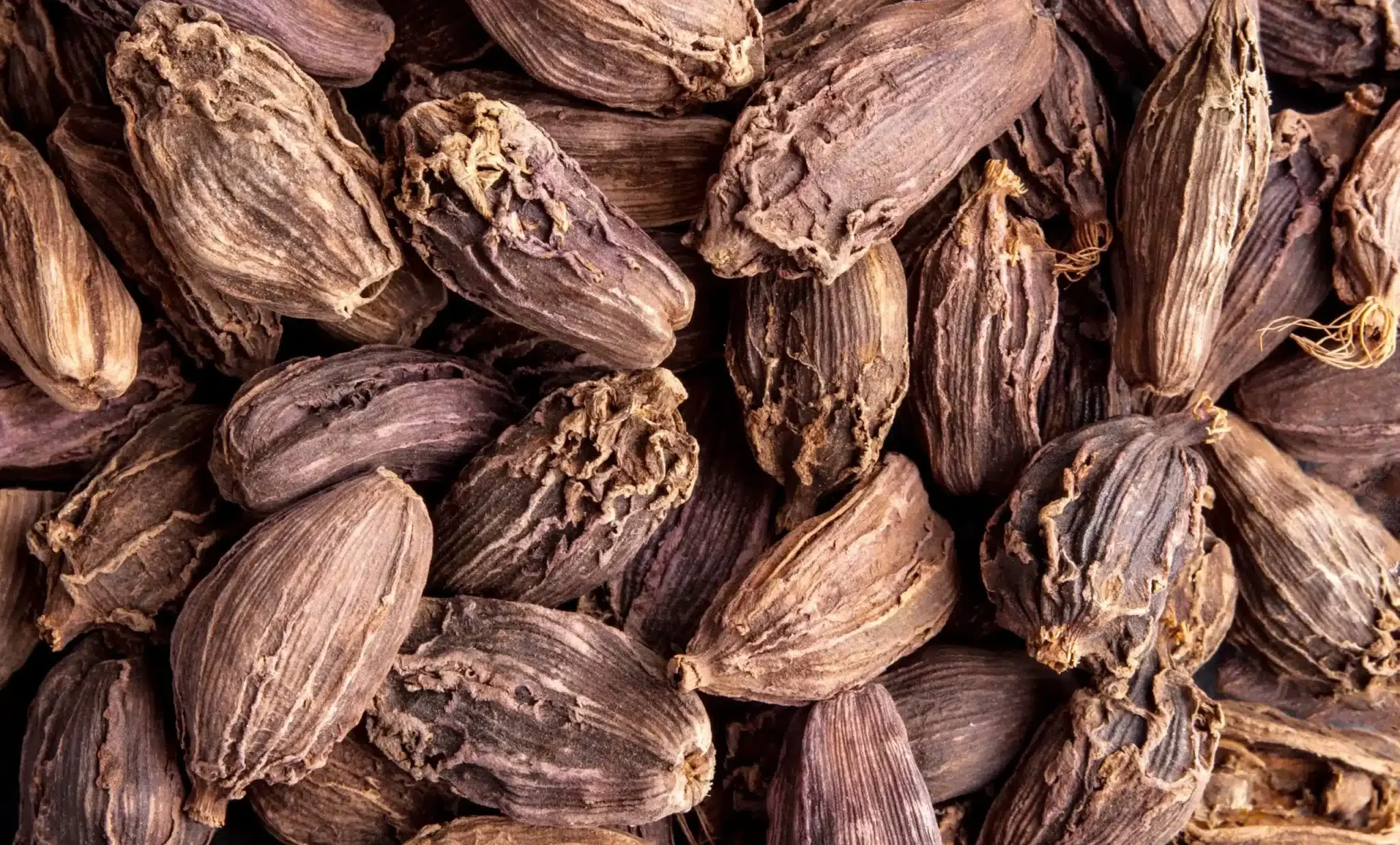
The larger variety known as Amomum Subulatum or Black Cardamom can be rather easily overlooked thanks to the considerably more popular green cardamom. However; Black Cardamom has a lot of nutritional and health value that most people fail to notice and this enhances its true potential. In this article, we will present 10 astonishing benefits of black cardamom that you probably did not know could be very useful for your health and overall wellness.

1. Improves Digestive Health

One of the primary benefits of black cardamom is its ability to enhance digestion. The spice stimulates the secretion of digestive enzymes which in turn aids in enhancing the spice and its ability to remedy indigestion, bloating and gas. Further, its anti-inflammatory agents help maintain the stomach lining and protect against gastritis and ulcers. With good eating habits and regular use dietary use, one can sit back and relax knowing their digestive tract is in good hands.

How should I use black cardamom for digestive issues?

Answer: You can add a few pods to your normal daily meals or take black cardamom tea after meals to aid digestion.

2. Assists the Body’s Respiratory Systems

Black cardamom has been widely recognized and utilized as a herbal medication for the prevention and treatment of respiratory toxins as well as for asthma, bronchitis, and colds. It helps clear mucus and makes breathing more comfortable by having antimicrobial and anti-inflammatory effects. In addition, the spice’s warm flavor removes excess mucus and provides comfort from the cold.

Can black cardamom be used for chronic respiratory issues?

Answer: Yes. With continued usage, improvement can be achieved. Regarding asthma, it is quite beneficial. However, it is not a replacement for the treatment recommended for you.

3. Works to Keep the Heart Smooth

Adding black cardamom to your list of head-boosters is wise since it contains antioxidants which are considered healthy for the heart because they prevent damage to the heart. People with blood pressure issues may benefit from it, as it improves circulation and lowers the chance of developing clots. The spice has also been proven in many research to decrease levels of bad cholesterol (LDL) and so aid treatment for heart disease.

How much black cardamom should I consume straight for heart health?

Answer: One or two pods may be used in your everyday meals as a substitute. Take caution if you are on heart medications; you should speak to a healthcare provider.

4. Improves Immune System

Black cardamom proves helpful in bolstering the immune system due to its antibacterial and antiviral properties. Taking it consistently on a daily basis assists the body fight against the common cold and flu, and even more severe diseases due to eliciting the responses of the body’s overall defense systems.

5. Supports Detoxification

Black cardamom helps with the detoxing of the body. It helps remove these toxins from the body by enhancing kidney and liver functions. Moreover, its diuretic effects aid in the elimination of waste, ensuring optimum operational efficiency of your internal systems. It is important to routinely detoxify the body for one’s health in the long run, and this can be more efficiently achieved with the help of black cardamom.

How often should I use black cardamom for detox purposes?

Answer: Using it in the kitchen or in tea makes the process of cleansing the body easier and it can be consumed twice a week.

Suffering from bad breath? You may wish to consider black cardamom to remedy the situation. Chewing on cardamom seeds has the ability to kill oral germs, thus reducing the unpleasant odor and also preventing cavities and gum diseases as well. It possesses antiseptic qualities which serve to help keep your mouth clean.

7. Warriors in the Battle Against Cancers

Some preliminary studies have shown that black cardamom has some guaranteed compounds that lower the chances of some cancers. Because of its anti-oxidative and anti-inflammatory characteristics, it is said to be effective in fighting free radicals that cause cancerous cell formation. Although more studies need to be done, the evidence is encouraging for cancer avert.

Is it possible to induce cancer with black cardamom?

Answer: No, black cardamom is one of those spices that can have a protective impact against a number of diseases including cancer but black cardamom should not be considered as the primary line of treatment in cancer cases. Regular medical guidance should be followed on the matter related to cancer.

Black Cardamom Pod

8. Antidepressant or Mood Enhancer

Black cardamom’s sweet smell and its warming effects are known to significantly help in relieving stress and pressure. This spice contains compounds that directly affect serotonin levels which makes it a natural feel good spice. After a very stressful day, indulging in a black cardamom tea is a wonderful way to relax your body as well as your mind.

I suffer from panic attacks, can black cardamom help me?

Answer: Yes, you can try black cardamom in mild cases of anxiety attacks, but never replace any medication for it. It’s a great adjunct.

9. Enhances Skin Quality

The high levels of antioxidant compounds in black cardamom can protect the skin from the impact of free radicals which can cause skin damage and accelerate aging. It’s antibacterial qualities also aid in the internal cleansing of the skin, therefore preventing the breeding of acne and other blemishes in a person’s skin. With black cardamom, whether taken orally or applied directly on the skin in a diluted form, skin is enhanced to be clearer and more radiant.

10. Boosts Hair Growth

Suffering from hair loss? There is good news, black cardamom can help you out. Phytonutrient-rich black cardamom is apt for keeping hair follicles firm. On that regard, the health of one’s scalp improves as well. Its antibacterial properties also prevent scalp diseases, which in turn prevents excessive falling of hair and encourages new hair growth.


Conclusion

There are many health advantages when using this spice. It assists in digestion and even boosts the immune system. Black cardamom is a spice, but it can also be regarded as an effective medicine. It would be beneficial to make this spice part of your diet. It was stated that focus of this spice would be dominating over stress, cardiovascular health and improving skin and hair quality. There is something for everyone in relation to black cardamom.

Shilajit Resin: Uses and Health benefits !

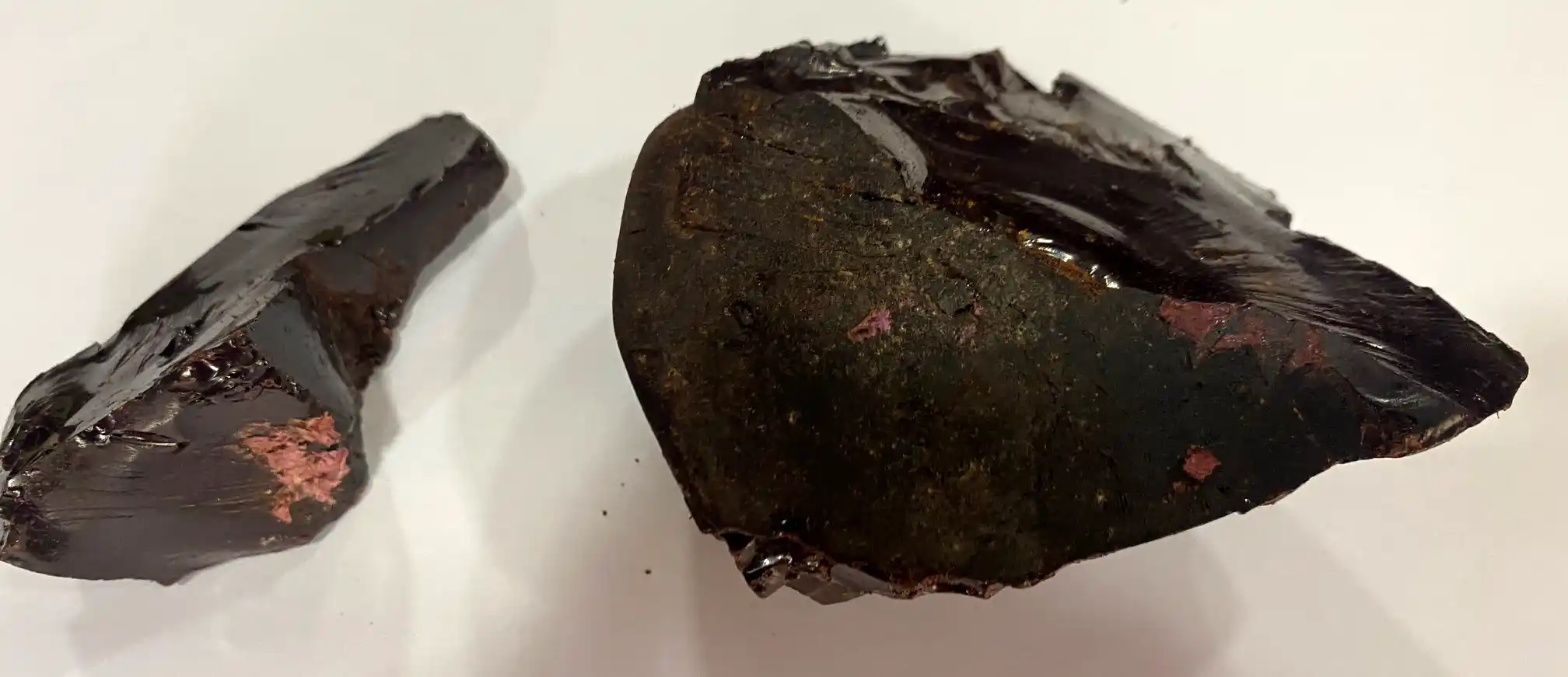
The Himalayan regions of Nepal, are rich in shilajit resin, a resinous material that is blackish-brown in color. The Shilajit plant is more often known by its botanical name, Asphaltum. Shilajit is an organic chemical that develops over generations from the breakdown of plant and microbial materials; yet, it is not derived from plants. From the cracks of rocks gathered from the high-altitude mountainous regions of Nepal, Shilajit arises. These places range in altitude from 1,000 to 5,000 meters. Respected for its adaptogenic, anti-inflammatory, and rejuvenating qualities, it has a long history in Ayurvedic and traditional Tibet an medicine.

Harvesting Methods of Shilajit in Nepal

Nepalese farmers have to work hard and be careful when they pick Shilajit. It usually comes out of the cracks and openings in the Himalayan rocks from May to September, when it’s warmer. This animal is mostly found in the high northern places, like Manang, Humla, Dolpa, and Mustang. The conditions are perfect for this natural resin to form in these places, which are often remote and hard to get to. People who collect the resin often hike to these high elevations.

Close-up of natural Himalayan Shilajit resin in a small glass jar with a wooden spoon, showcasing its dark, tar-like texture. Known for its energy-boosting and rejuvenating properties, Shilajit is a traditional Ayurvedic supplement rich in minerals and fulvic acid, sourced from the high mountains of Nepal.
Shilajit Rock before processing

They are usually local villagers or mountain climbers. The shilajit is usually on the surface of rocks as a tar-like material that needs to be chipped off of the rock it’s on in order to be removed. The resin is carefully taken out of the rocks using simple tools like chisels or knives. Because the quality of the Shilajit can change depending on things like altitude, the purity of the material, and the local environment, workers usually use their knowledge to figure out the quality of the material while they are collecting it. Harvesting is hard on the body and can be dangerous because of the risks that come with working at high elevations and in weather that changes quickly.

Processing Methods of Shilajit in Nepal

To ensure its safety for human use, Shilajit goes through a multi-stage purifying process once it is gathered. In its unprocessed state, Shilajit contains impurities like rock fragments, filth, and other unwanted organic substances. Traditional processing methods in Nepal are based on Ayurvedic and indigenous medical knowledge. There are several steps in the purifying process that work together to eliminate these contaminants. To facilitate filtering and purification, we soften the raw Shilajit by soaking it in warm water. After the resin has melted, it is strained through a cloth or fine mesh screen to remove any bigger particles, such as rocks or plant stems. To isolate the valuable resin, this technique calls for multiple water changes.

Shilajit Resin-After Processed

To enhance its purification process and extract its medicinal properties, boil any remaining Shilajit in water or a herbal decoction after filtering.The water is reduced to a thick and sticky paste by boiling it and then letting it evaporate. Let the paste dry in partial shade or direct sunlight until it becomes a glossy, firm, resin-like consistency; then proceed to the following stage. Occasionally, Ayurvedic practitioners may add specific minerals or herbs to the purification process of Shilajit to make it even more potent and valuable for medical purposes. Two examples of current purifying procedures include activated charcoal filtration and centrifugation. These techniques help get rid of pesticides, heavy metals, and any other modern contaminants that could have been around when Shilajit was formed. The most important characteristics of the resin are its bitter taste, strong tar aroma, and dark brown to black colour; the method of production is irrelevant.

Major Components of Shilajit:-

It has over 80 different bioactive compounds, which makes its chemical makeup very complicated. This makes it a very powerful drug in traditional medicine. Fulvic acid, humic acid, dibenzo-alpha-pyrones, and important minerals are some of the main parts of Shilajit that make it useful as a medicine.

Fulvic Acid

This is one of the most important active ingredients in Shilajit. It helps the herb fight inflammation, protect cells from damage, and clean the body. Fulvic acid is an important part of regaining energy and fighting tiredness because it helps the body absorb nutrients and make energy. In addition to fighting oxidative stress, its antioxidant qualities also help slow down the aging process and improve brain health.

Humic Acid

Like fulvic acid, humic acid is an organic acid that is found in Shilajit. It helps the body handle food better, get rid of toxins, and absorb nutrients better. It’s also thought to have immunomodulatory benefits that make the body better able to fight off illnesses and infections.

Dibenzo-alpha-pyrones

These chemicals are strong antioxidants that have been studied for their ability to protect mitochondrial activity. Mitochondria are the energy-producing parts of cells. Because of this, Shilajit is very good at boosting stamina, lowering fatigue, and speeding up the healing process after physical stress or hurt.

Elements

Shilajit has many trace elements in it, such as iron, calcium, magnesium, copper, and zinc. These elements are very important for keeping the body’s metabolism in check and making sure that the enzymes and energy-making processes work well. Shilajit is thought to be a strong adaptogen in traditional medicine because it can replace these minerals and bring the body’s physical and mental balance back.

Major Health Benefits of Shilajit Resin:-

  • Shilajit gives you more energy by making your mitochondria work better. This helps your body make more energy and fight tiredness.
  • It improves brain function because it keeps neurons healthy, which also makes memory, focus, and brain function better in general.
  • Strengthens Your Body: Shilajit strengthens your body’s endurance and power by making more energy and helping muscles heal.
  • Effects on Aging: The antioxidants in it fight reactive stress, which makes the skin and cells age more slowly.
  • Shilajit’s fulvic acid keeps your cells healthy and slows down the aging process, so you can age in a healthy way.
  • Shilajit may be good for your heart because it may help keep your heart healthy and lower your blood pressure.
  • Builds up the immune system: This helps the body fight off sickness better by making the immune system stronger.
  • Shilajit naturally raises testosterone levels, which gives guys more energy and makes them more fertile.
  • Because it is adaptogenic, it helps you deal with stress, calm down, and keep your feelings in check.
  • Enhances Sexual Health: It boosts the libido and sexual health of girls and women of all ages.
  • Fulvic acid in Shilajit helps the body get rid of heavy metals and dangerous toxins. This is a part of cleansing.
  • Some of the chemicals in shilajit can help lower inflammation, which can be helpful for people who have long-term inflammation or joints that are affected by it.
  • It helps your body process food, keep your gut healthy, and get rid of gas and constipation.
  • Because they reduce inflammation and protect cells from damage, shilajit helps keep joints healthy by easing pain and making it easier to move around.
  • It keeps blood sugar levels in check, which is good for people with diabetes.
  • Better Absorption of Nutrients: Fulvic acid makes nutrients more bioavailable, which means the body can usually take them in better.
  • It has many minerals, such as calcium and magnesium, which are good for bone health because they make bones stronger and stop illnesses that affect bones.
  • It gives people with Chronic Fatigue Syndrome more energy and stamina, which helps them.
  • It makes your mind clearer by getting rid of brain fog and making your thinking more clear, which is good for staying smart.
  • Shilajit helps people who have trouble sleeping sleep better and even cures them of not being able to sleep. It does this by balancing stress hormones and calming the mind.


How to use Shilajit Resin?

How Much to Take?

The usual amount is between 300 and 500 mg per day. Still, it is suggested that you start with a small amount (like a pea-sized piece or a rice grain) and slowly increase it based on how your body reacts.

  • Before you start taking Shilajit, talk to your doctor to make sure you are getting the right amount for your needs. This is especially important if you are pregnant, nursing, or already have a health problem.

How to Make It?

Easy to Dissolve in Liquid:-

Shilajit resin is simple to dissolve in water, milk, or herbal tea. The following steps are taken to use it:

  • Take a small amount, about the size of a pea (about 300 to 500 mg).
  • Put it in a cup of hot water, milk, or tea and mix it.
  • Stir the material around some more until it’s all gone.
The best time to take shilajit is in the morning. Many people choose to take it on an empty stomach in the morning so that they feel energized and clear all day.
  • Before Exercise: Shilajit can be taken before exercise to help with energy and stamina.
  • Before bed: Some people drink it at night to help them sleep and heal, but it may also wake them up and make it hard for them to sleep. Adding more spices Milk:

In Ayurvedic medicine, shilajit is often mixed with warm milk to boost energy, stamina, and general healing. Honey or Ghee: Some people add a tablespoon of honey or ghee (clarified butter) to Shilajit to help their body absorb it better.

Use Duration:-

  • Continuous Use: It is generally safe to use for a long time, but experts usually suggest taking breaks every so often (e.g., every two to three months of continuous use) to give the body a chance to reset.

External Use:-

  • Skin Application: Shilajit can be used on the skin to keep it clean by mixing it with water or lubricants to make a paste that can be put on the skin to treat acne or lines.

How to Storage Shilajit Resin?

  • Store Shilajit resin in a cold, dry location at room temperature. Prevent the resin from being exposed to moisture or heat, as these can cause it to degrade.
  • Utilize an airtight container: To safeguard Shilajit from contaminants and moisture, it is recommended that it be stored in an airtight container. This aids in the preservation of its texture and prevents it from becoming excessively viscous or hardening.
  • Avoid Direct Sunlight: Shilajit’s efficacy may be diminished over time as a result of UV radiation that can degrade its active compounds.
  • Refrigeration (Optional): Although not mandatory, Shilajit can be extended by preserving it in the refrigerator. If it is stored in the refrigerator, it is important to allow it to reach room temperature before using it, as it may become hardened in frigid temperatures.
  • Clean Utensils: To prevent contamination or moisture from entering the container, it is imperative to use clean, dry utensils to shovel the resin.


Yarsagumba Benefits and Uses: Cordyceps in Nepal

Yarsagumba, or Cordyceps Sinensis (Ophiocordyceps Sinensis), is a rare fungus from Nepal. It grows in high-altitude areas. Traditional Chinese medicine has used this fungus as medicine for centuries. A rare plant, Yarsagumba benefits to the health of human beings.

Yarsagumba has earned itself the reputation as “Himalayan Viagra“, or more often “Himalayan Gold“. This fungus has many health benefits. It can boost immunity and may help reduce signs of aging. Rare and valuable alike – Yarsagumba truly deserves such praise and deserves our consideration as valuable medicine!

In this article, you will learn what Yarsagumba is. You will also see how it affects our health and wellbeing. We will discuss any side effects of using it. Finally, we will explore its health benefits in traditional medicine and its role in Nepal’s economy.

Yarsagumba BenefitsYarsagumba-Caterpillar fungus

Are You Curious about Yarsagumba Fungus of the Himalayas? Continue Reading Now. We invite you into its mysterious world of Yarsagumba Fungi!

What Is Yarsagumba (cordyceps Sinensis)?

Yarsagumba is also know as cordyceps Sinensis, a rare fungus. It is found in mountain areas of China, Russia, Bhutan, India, Nepal and Tibet. It combines parts of caterpillars and fungi into one unique organism.

This creature is unlike anything else on Earth. It takes over ghost moth larvae’s bodies. In spring, it grows and takes control of the larvae.

Where Does Yarsagumba Live?

Yarsagumba, Cordyceps sinensis, is a rare and unique parasitic fungus that parasitizes the larvae of ghost moths. Researchers find it in certain high-altitude areas of the Himalayas in Nepal. It usually grows at heights between 3,000 and 5,000 meters (9,800 to 16,400 feet) above sea level.

Yarsagumba grows in extremely tough environments. This makes it rare and valuable.

Harvesting it can be hard because of harsh conditions. These conditions can also worsen health issues related to its growth. These unique conditions contribute to its remarkable health benefits.

Yarsagumba fungus can improve immunity and increase vitality, making it useful for treating various ailments. Ayurveda and traditional forms of medicine highly value Yarsagumba.

History Of Yarsagumba

People have long used Yarsagumba as part of Nepali, Tibetan, and traditional Chinese medicines for its many health benefits. For centuries now, this wonderful fungus has been an indispensable remedy in these regions. People mostly find it in the Himalayan regions of Nepal.

Locals believe yarsagumba can treat many health ailments, from fatigue to impotence. Although its traditional uses may be intriguing, further scientific investigation remains crucial in fully comprehending Yarsagumba benefits.

Health Benefits of Yarsagumba

Many people have long associated Yarsagumba with numerous health advantages because of the various bioactive compounds it contains, such as cordycepin and polysaccharides.

These compounds may reduce inflammation in the body. Many health issues connect to this effect.

Studies show that Yarsagumba may boost stamina and athletic performance. This makes it popular with athletes and fitness fans.

Studies show it to have potential benefits for heart health. Some individuals utilize it as a tool for controlling their blood pressure levels.

People can also use fungus to treat respiratory ailments like asthma. It may open airways and make breathing easier, making life simpler overall. Check out the uses of cordyceps to reduce oxidative stress, boosting immunity, and supporting overall health.

Here are some potential medicinal benefits of cordyceps that are being studied:

  • Anti-aging properties
  • Enhanced physical stamina and endurance
  • Treatment for chronic kidney disease
  • Regulation of blood sugar levels
  • Anti-inflammatory benefits
  • Immune system support
  • Improves Respiratory health benefits
  • Sexual Health
  • Increase Energy levels
  • Used as a Medicine

Immune System Enhancement

Yarsagumba can greatly improve immunity. It contains polysaccharides that help the body fight infections and diseases. This boosts the body’s natural defenses.

The effect of Yarsagumba comes partly from its polysaccharide content. These substances act like stimulants for our immune systems. They help us fight infections and diseases more quickly and efficiently.

Anti Aging and Vitality

Yarsagumba has long been touted for its anti-aging benefits. Many people believe it helps slow aging and increase energy. Many people recommend its use in anti-aging creams and serums. These may help improve skin health while diminishing signs of aging as a whole.

Are You Searching for Genuine Yarsagumba in Nepal? Contact us now.

Potential Therapies of Chronic Kidney Disease

Traditional Asian medicine has used yarsagumba for a long time. It helps manage chronic kidney disease. It can improve kidney function and reduce symptoms. There have also been reports of it helping protect kidneys against damage – thus slowing its progress over time.

Researchers must complete more research to fully appreciate Yarsagumba’s potential in treating chronic kidney disease.

How Can Yarsagumba Benefit Your Health

People can eat yarsagumba in many ways. You can make tea with it or add it to soup for health benefits. You can also find Yarsagumba supplements online and in health food stores.

Before beginning any supplement regimen, it’s advisable to speak to a healthcare provider, particularly for those suffering from any underlying conditions.

At Home, Yarsagumba Preparation

Home preparation of Yarsagumba can be made easily. You can steep the fungus in hot water to make tea.

You can add herbs for extra benefits. You can also add it directly to soups and stews. Let it simmer for a while to get its medicinal compounds.

Remember that Yarsagumba is an exceptionally strong herb. Use it carefully and pay attention to how your body reacts. If you have any concerns or questions, talk to a healthcare provider.

Potential Side Effects and Precautions of Drug Therapy

Although Yarsagumba is generally safe for consumption, some individuals may experience dry mouth, nausea or diarrhea after consumption.

Yarsagumba Benefits
Yarsagumba-Caterpillar fungus

Yarsagumba is a powerful herb. Taking too much can cause serious side effects. These may include an irregular heartbeat or trouble breathing, which can lead to more health problems.

Before starting Yarsagumba as a supplement, it’s smart to talk to a healthcare provider first. This is especially important if you have health conditions or take other medications.

Frequently Asked Questions About Yarsagumba

Many individuals have inquiries regarding this uncommon fungus. Common questions related to it includes.

  • How can I tell if the Yarsagumba I’m buying is authentic?
    A genuine Yarsagumba should feature a distinctive caterpillar-shaped body and long, thin fungal stalk. Purchase from trusted vendors to ensure authenticity.
  • Can I Take Yarsagumba Daily?
    Some people take Yarsagumba every day. However, it is best to talk to a healthcare provider first. They can help you find the right dosage. Remember, more isn’t always better!
  • Is Yarsagumba safe?
    Yarsagumba is usually safe for most people. However, if you have certain health conditions or take specific medications, talk to a healthcare provider before using it.

Conclusion

Enjoying Yarsagumba With Caution

Yarsagumba is a special fungus from the Himalayas. It offers many health benefits that we should not ignore.

Yarsagumba can help improve immune response and treat chronic kidney disease. However, it is not a cure-all solution, despite its benefits. We must remember that even with all these advantages, Yarsagumba may still not provide instant cure-all answers.

People should use herbal medicines, like any supplement, carefully. Always talk to a healthcare provider before starting them. Make sure to also consider any necessary lifestyle changes. eating healthily and exercising regularly and getting enough rest).

For the best health results, talk to your provider regularly about the right dosage levels. Remember, the keys to success are a good diet, regular exercise, and enough sleep!

We must remember how important it is to use sustainable and ethical harvesting practices. This will help preserve Yarsagumba for future generations. Let’s enjoy its many advantages without disregard for future generations – let us enjoy its benefits mindfully.

Soapberry Shells: Zero-Waste Cleaning !

Soapberry shells, Soap Nuts or Soapnut shells Where sustainability is becoming increasingly important, National Organics offers an Eco-friendly cleaning solution wrapped in zero-waste packaging. These little wonders, also known as soap nuts, are an all-natural alternative to chemical-based detergents, offering a powerful, environmentally friendly way to clean everything from laundry to dishes without harming the planet. Let’s dive into what makes these shells such an incredible green product and how their zero-waste packaging contributes to a sustainable future.

Soapberry shells, commonly referred to as soap nuts, are the fruit of the Sapindus Mukorossi tree, native to the Himalayan region. These berries contain a natural cleaning agent called saponin, a bio-compound that works as a detergent when it comes into contact with water. When you place a handful of these shells in your washing machine or sink, the saponin is released, producing a mild soapy foam that effectively removes dirt, oils, and odors from fabrics and surfaces.

Unlike synthetic detergents filled with harmful chemicals, soapberries are hypoallergenic, perfect for individuals with sensitive skin, allergies, or those simply wanting a more natural approach to cleanliness.

A Powerful Eco-Friendly Cleaning Agent

What truly sets soapberry shells apart is their biodegradable nature. Once used, they can be composted, returning nutrients to the soil without leaving a trace of synthetic waste behind. Soapberries break down naturally and safely, causing zero harm to the environment, unlike many commercial detergents, which contain phosphates and petrochemicals that contaminate water supplies and harm aquatic ecosystems.

Additionally, soapberries require minimal processing. They are harvested, dried, and de-seeded, keeping their carbon footprint extremely low compared to detergent manufacturing processes that involve extensive chemical refining, packaging, and transport. By choosing soapberries, you’re supporting a circular economy where waste is virtually eliminated.

Versatility in Cleaning

Soapberries are not only used for laundry; they can also be utilized to clean dishes, and floors, and even as a gentle hand soap. To use them, you can boil a handful of soapberries in water to create a liquid soap concentrate. This liquid can be stored in a glass container and used for various cleaning tasks. It’s versatile, effective, and entirely natural, making it the ideal choice for those aiming to reduce their reliance on multiple chemical-laden products.

The Benefits of Zero-Waste Packaging

One of the standout features of National Organics’s soapberry product is its zero-waste packaging. Many cleaning products come in plastic containers contributing to the growing issue of plastic pollution. National Organics, however, packages their soapberries in compostable or recyclable materials, ensuring that the entire product lifecycle—from production to disposal—leaves a minimal environmental footprint.

Yarsagumba: Nature’s Rare Elixir The Power of Cordyceps Sinensis

Yarsagumba or Yarshagumba also known as Ophiocordyceps sinensis or Cordyceps sinensis is a rare medicinal fungus revered for centuries in traditional Tibetan and Chinese medicine. Popularly referred to as “Yarsagumba” or “Himalayan Viagra,” this parasitic fungus grows on the larvae of caterpillars at high altitudes, particularly in the Himalayan region. One of the key regions for harvesting this fungus is Dolpa, a remote and pristine district in Nepal.

Harvesting Cordyceps Sinensis in Dolpa

The remote region of Dolpa, located in the far-western part of Nepal, is one of the primary hubs for Cordyceps sinensis collection. Found at altitudes ranging from 3,500 to 5,000 meters, this rare fungus thrives in the alpine meadows of the Himalayas. Each year, during summer, from May to July, locals venture into the highlands to harvest Cordyceps.

Harvesting Yarsagumba

Harvesting Cordyceps is a painstaking process. Since the fungus is tiny, it requires delicate handling. Villagers, equipped with rudimentary tools, carefully extract the fungus from the soil to avoid breaking the thread-like structure. A successful harvest often means several days of intense labor, usually spent under harsh weather conditions. Despite the difficulty, harvesting this “golden fungus” has become an essential livelihood for Dolpa’s residents, as the global demand for Cordyceps continues to rise.

Dolpa, due to its geographical isolation, offers a relatively unpolluted environment, which makes the Cordyceps harvested here of high quality. However, the intense demand for this fungus has also led to concerns about sustainability. Over harvesting in some regions has led to depletion, and there are growing calls for regulated harvesting practices to ensure the long-term availability of Cordyceps.

Health Benefits of Cordyceps sinensis has been traditionally used to treat a wide range of ailments, and modern research has supported many of its purported health benefits.

  • Energy and Endurance Booster Cordyceps is widely known for its ability to enhance stamina and endurance. It has been traditionally used by athletes and those seeking improved physical performance. The fungus helps improve the body’s utilization of oxygen, which increases energy levels and boosts exercise performance.

    Yarsagumba (Cordyceps)
    Yarsagumba
  • Immune System Support Cordyceps contains beta-glucans and other bioactive compounds that have been shown to boost the immune system. Regular consumption helps the body resist infections, reduce inflammation, and promote faster recovery from illness.
  • Anti-Ageing Properties Packed with antioxidants, Cordyceps helps neutralize harmful free radicals in the body, thereby slowing down the ageing process. In traditional medicine, it has been used to improve vitality and longevity.
  • Respiratory Health This fungus has been used to treat various respiratory issues, including asthma and chronic bronchitis. Cordyceps improves lung function by increasing oxygen utilization and has anti-inflammatory properties that soothe inflamed airways.
  • Improved Sexual Health Known as “Himalayan Viagra,” Cordyceps has long been used as an aphrodisiac. It improves sexual function by enhancing blood flow, reducing fatigue, and boosting stamina. It is often prescribed for treating sexual dysfunction and low libido in men.
  • Regulates Blood Sugar Levels Cordyceps may help in managing blood sugar levels. Some studies suggest that it improves insulin sensitivity, which can be beneficial for people suffering from Type 2 diabetes. It helps regulate glucose metabolism and reduces the risk of diabetes-related complications.
  • Major Components of Cordyceps Sinensis  is packed with bioactive compounds responsible for its diverse health benefits.

Some of the major components include:

Cordycepin

A unique bioactive compound, cordycepin exhibits strong anti-inflammatory, antioxidant, and antitumor properties. It is often the subject of scientific research due to its broad range of health applications.

Polysaccharides

Polysaccharides in Cordyceps are known for their immune-boosting and antioxidant properties. They play a crucial role in enhancing the body’s defence mechanisms against pathogens.

Adenosine

This compound is vital for energy transfer in the body. Adenosine helps regulate blood flow and has cardioprotective effects, making it beneficial for heart health.

Sterols

These compounds in Cordyceps have cholesterol-lowering properties and contribute to the overall cardiovascular benefits of the fungus.

Vitamins and Minerals

Cordyceps is a good source of vitamins (B, C, E, and K) and essential minerals like zinc, magnesium, and selenium, which are crucial for various metabolic functions.


Bitter Apricot Kernels: Benefits and Nutritional Wonders

Bitter apricot kernels, scientifically known as Prunus armeniaca, belong to the Rosaceae family. These kernels, which are the seeds of the apricot fruit, have garnered significant attention for their unique properties and potential health benefits. Commonly referred to in trade as apricot seeds or bitter almonds, they are often confused with sweet apricot kernels, which are safe for consumption. Bitter apricot kernels, however, are known for their distinctively bitter flavor, a result of their high amygdalin content, which can release cyanide when metabolized. This duality of flavor and toxicity has made them a subject of interest in both culinary and medicinal contexts.

Bitter Apricot Flowering

Bitter apricot kernels are small, oval-shaped seeds found within the hard pit of the apricot fruit. They are typically pale yellow to brown in color and can be consumed raw, roasted, or ground into a powder. The culinary uses of these kernels vary widely across different cultures. In some regions, they are used to flavor liqueurs and desserts, while in others, they are consumed for their alleged health benefits. The oil extracted from bitter apricot kernels is also utilized in cosmetics and dietary supplements, owing to its moisturizing properties and nutrient profile.

Close-up of bitter apricot fruit with its hard stone partially cracked open, revealing the bitter apricot kernel inside, set against a green leaf background.
Bitter Apricot-Fruiting

Major Components

The composition of bitter apricot kernels is particularly noteworthy. They contain several key components, including:

Amygdalin

This cyanogenic glycoside is the most significant component. It has garnered attention for its controversial association with cancer treatment, often marketed as Vitamin B17, although this term is misleading since amygdalin is not recognized as a vitamin by the scientific community.

Proteins

Bitter apricot kernels are a good source of plant-based protein, which is essential for muscle repair and overall health.

Fats

They contain healthy fats, predominantly unsaturated fats, such as oleic and linoleic acids, known for their heart-healthy benefits.

Vitamins and Minerals

These kernels are rich in vitamin E, an antioxidant that helps protect cells from damage. They also provide essential minerals like magnesium, potassium, and calcium, contributing to various bodily functions, including nerve transmission and muscle contraction.

Fiber

Bitter apricot kernels contain dietary fiber, which aids in digestion and helps maintain gut health.

Bitter apricot kernels: Small but mighty, packed with nutrients and intriguing benefits.
Bitter Apricot Seeds

Health Benefits

Bitter apricot kernels have been associated with several potential health benefits, though it is crucial to approach these claims with caution due to the risks involved:

Antioxidant Properties

The presence of vitamin E in bitter apricot kernels contributes to their antioxidant capacity, helping to combat oxidative stress in the body.

Cancer Research

Amygdalin has been a controversial topic in cancer treatment discussions. Some alternative health advocates claim it can target cancer cells, but scientific studies have shown mixed results. While some laboratory studies suggest that amygdalin may have anticancer properties, comprehensive clinical trials have not substantiated its effectiveness in humans.

Digestive Health

The dietary fiber in bitter apricot kernels may aid digestion, promote regular bowel movements, and contribute to a healthy gut microbiome.

Heart Health

The healthy fats found in these kernels can help improve lipid profiles, potentially reducing the risk of heart disease when consumed in moderation.

Respiratory Health

Traditionally, bitter apricot kernels have been used to alleviate coughs and respiratory conditions, though more research is needed to validate these claims.

Soapberries : Organic Multi-purpose Cleaners

Soapberres ? The trees and shrubs which are the basis of this family of plants are found in tropical and sub-tropical areas of Nepal and India and have been used in South Asia for centuries as a soap and medicine. Research has taken place into the health benefits of ingesting soapberries (saponins found in soapberries, and other plants, is suggested to be an anti-carcinogen). In fact some Native Nations in North America, as well as auyvedic practitioners in Asia use them medicinally.  But here we are looking at their use as a laundry detergent.

What Makes Soapberries, well, ‘Soap’?

So we know soapberries contain saponin, which is a naturally forming chemical within all plant life. According to Wikipedia saponins are a ‘class of chemical compounds found in particular abundance in various plant species. More specifically, they are amphipathic glycosides grouped phenomenologically by the soap-like foam they produce when shaken in aqueous solutions.’

Right.  But what does that mean actually, and how does that make soapberries good for laundry and other uses?

In lay terms, every plant contains saponin, = to a greater or lesser extent depending on the plant, which lathers up when stirred up in water.  Since soapberries have a high saponin content, they are ideal when it comes to being used as a natural laundry detergent and a chemical free cleaning product.

But how do we use soapberries?  There are several methods which include using the whole berry, or making them into a liquid or a powder.  For home use, the easiest way is to use the whole berry in the washing machine or make your own liquid detergent which can be used for the laundry, and many other things.


So Soapberries are the King of Organic Cleaners!

Soapberries not only act as a wonderful, 100% organic laundry and household cleaner, they have positive benefits for the planet and for humans.  Find out how using soapberries can help heal the planet here.

In addition, soapberries have health benefits for people, including being anti-fungal, anti-microbial and anti-bacterial, and assisting with the control of eczema, psoriasis and dandruff when used as a tropical treatment.  See here for more information.

What’s more, all National Organics’ soapberries are harvested in a sustainable manner, and provide a fair-trade income for the growers and harvesters and their communities. See here for information about the communities National Organics work with.

And yes, soapberries do not harm the delicate fabric and can safely be used for washing baby nappies and clothes.  Being hypo-allergic, they are perfect for people with sensitive skin and young children. In fact soapberry liquid is so natural and pure it can be used as a handwash, shampoo and body wash as well as for laundry and as a household cleaner.  So, yes, soapberries are the King of organic multi-purpose cleaners.

Here is my suggestion to get the best out of soapberries, so do try and see for yourself!

Use the Soapberries Directly

National Organics provides cloth bags in which to place around five soapberries before putting the bag into the washing machine along with your clothes.  You might need more berries, depending on the amount of clothes you have to wash. To make them more effective it is recommended to soak the soapberries in hot water first and add both the berries and the water to the machine.

The soapberries can be used for five or six washes, but please note, the more ‘used’ the berries are the less effective they will be on very dirty clothes.  So keep the older soapberries for loads which are not heavily stained or dirty. Adding a spoonful of vinegar or baking soda can also enhance the effectiveness of the berries.

Make Liquid Soapberries at Home

Clear bottle of soapberry liquid with natural, plant-based labeling, placed beside dried soapberries and green leaves. The eco-friendly liquid is a chemical-free, biodegradable alternative for cleaning and personal care, made from Himalayan soapberries rich in natural saponin.
Gentle and natural soapberry liquid—crafted from Himalayan soapberries for chemical-free cleaning. Perfect for laundry, dishes, and skin. Eco-friendly, biodegradable, and safe for the whole family.

You can make your own liquid detergent from soapberries at home!  This can then be used as a liquid washing detergent or as a multi-purpose household cleaner.  Here’s how it’s done:

  • Take 10 or 12 soapberries
  • Take one litre of water
  • Take 100ml of vinegar

And then:-

  • Boil the berries in the water for 17 to 20 minutes.
  • Let the water cool.
  • Squeeze the berries with a ladle or a spoon inside the boiling pot to extract melted saponin from the shells, but without breaking the shells.
  • Filter the liquid using either a cloth or the cotton bag provided during purchase of the berries. This removes any sediment.
  • Add the vinegar to improve the longevity of the liquid.

The liquid will remain useable for up to four weeks, a bit longer if stored in the fridge.


Testimonials

Our Clients' Experiences, Feedback and Stories