

Soapberries, Soapnuts, & Soap Nut are names frequently used to describe the fruits of the soapnut tree. Although these names may sound like different products, they are commonly associated with the same botanical species, Sapindus mukorossi. The differences mainly come from regional languages, traditional naming practices and the terminology used in international markets.
Known for their naturally occurring saponins, soapnuts have been used for generations as a plant-based cleaning material. Their use across different regions has contributed to the development of several common names, making it important to understand how these names are connected.
For anyone exploring natural ingredients, herbal raw materials or plant-based cleaning products, knowing the relationship between these terms can help avoid confusion. While Soapnut, Reetha and Ritha commonly refer to Sapindus mukorossi, the term Soapberry can also be used for other species belonging to the same botanical genus.
What Are Soapberries and Soapnuts ?
Soapnuts are the fruits of trees belonging to the genus Sapindus, which falls under the Sapindaceae family, commonly known as the soapberry family. These trees grow in different parts of Asia and other tropical and subtropical regions.
The fruits are generally round and fleshy, with a yellowish to reddish-brown outer covering when mature. Inside the fruit is a hard seed surrounded by the outer fleshy layer, known as the pericarp.
What makes these fruits different from many other botanical fruits is their natural saponin content. Saponins are plant-derived compounds that produce foam when mixed with water. This property has made soapnuts a traditional choice for washing and cleaning applications.
Although the terms Soapnut and Soapberries are often used interchangeably, Soapberry is also a broader common name associated with the genus Sapindus. Therefore, the botanical species should be considered when identifying a particular soapnut product.
Reetha, Ritha and Aritha: Different Names for Soapnuts
Reetha, Ritha and Aritha are regional names commonly associated with the fruit of Sapindus mukorossi. These names are particularly familiar in South Asian countries, where soapnuts have a long history of traditional use.
The spelling and pronunciation can differ depending on the language and region. Reetha is widely used in India, while Ritha and Rittha are familiar names in Nepal. Aritha is another commonly documented variation.
Despite these differences, the names generally refer to the same type of botanical fruit rather than separate products.
The following table explains some of the commonly used names:
| Common name | Usage or association |
|---|---|
| Soapnut | Common English name |
| Soapberry | English name associated with Sapindus fruits |
| Indian Soapnut | Common name for Sapindus mukorossi |
| Chinese Soapberry | Another common name for Sapindus mukorossi |
| Reetha | Commonly used in India and Nepal |
| Ritha | Used in India and Nepal |
| Aritha | Regional and traditional name |
| Rittha | Nepali local name |
| Washing Nut | Common commercial name |
These names are useful when searching for or identifying soapnuts in different markets. However, they should not replace the scientific name when exact botanical identification is required.
Sapindus mukorossi : The Botanical Identity of Soapnuts
Sapindus mukorossi is a deciduous tree belonging to the Sapindaceae family. It is commonly known as the Indian Soapnut, Chinese Soapberry, Reetha and Ritha.
The tree is native to parts of South and East Asia, including Nepal, India, Bhutan and China. It is commonly found in subtropical environments and is recognised for its fleshy fruits containing naturally occurring saponins.
Some important botanical characteristics include:
- Botanical name: Sapindus mukorossi Gaertn.
- Family: Sapindaceae
- Plant type: Deciduous tree
- Common names: Soapnut, Soapberry, Reetha, Ritha and Aritha, Noix de lavage, Waschnusse, mydlove orechy
- Fruit: Round, fleshy and saponaceous
- Seed: Hard and enclosed within the outer fruit covering
The botanical name is particularly important because common names can vary considerably between regions. Using Sapindus mukorossi makes it easier for suppliers, manufacturers, researchers and buyers to identify the intended plant species.
Why Are Soapnuts Known by So Many Names?
The different names associated with soapnuts are largely influenced by geography, language and traditional knowledge.
Soapnuts are known by various names around the world, a testament to their vast use and cultural value. In India and Nepal they are called Reetha or Ritha, while in English-speaking nations they are generally referred to as soap nuts or soapberries. In Europe they go by many local names, e.g., Noix de Lavage in French, Waschnüsse in German, Mydlové Orechy in Slovak, Nueces de Lavado in Spanish, and Wasnoten in Dutch. These names are different, but they refer to the same natural product, made from the fruit of the Sapindus tree, prized for its high natural saponin content and green cleaning abilities.
As the fruit became known beyond its native growing regions, different markets adopted names that were easier to recognise and communicate. This is why the same botanical material can appear under several names in product catalogues, research publications and commercial listings.
Another reason is the use of common names across different Sapindus species. A product labelled Soapberry, for example, may not always come from Sapindus mukorossi.
For this reason, the botanical name remains the most reliable reference when discussing the exact species.
Are All Soapberries the Same ?
Not necessarily. This is an important distinction when discussing soapnuts and their botanical identity.
The genus Sapindus contains several species, and the fruits of different species are commonly referred to as soapnuts or soapberries. Although they belong to the same genus, they are not botanically identical.
For example:
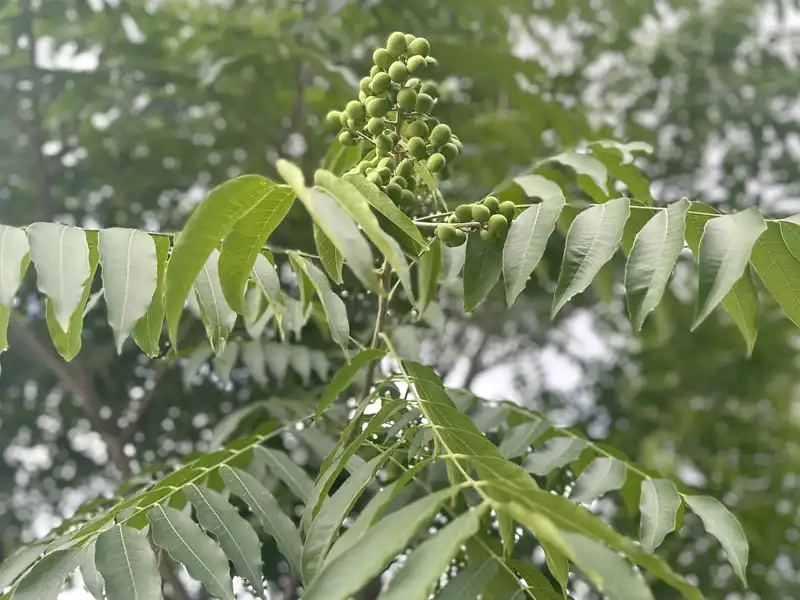
Sapindus mukorossi
This species is commonly known as Indian Soapnut, Reetha, Ritha and Chinese Soapberry. It is widely recognised for its saponin-containing fruit covering and has traditional cleaning applications across parts of Asia.
Sapindus trifoliatus
This is another species belonging to the genus Sapindus. It is also recognised as a source of naturally occurring saponin and is used in traditional and commercial applications.
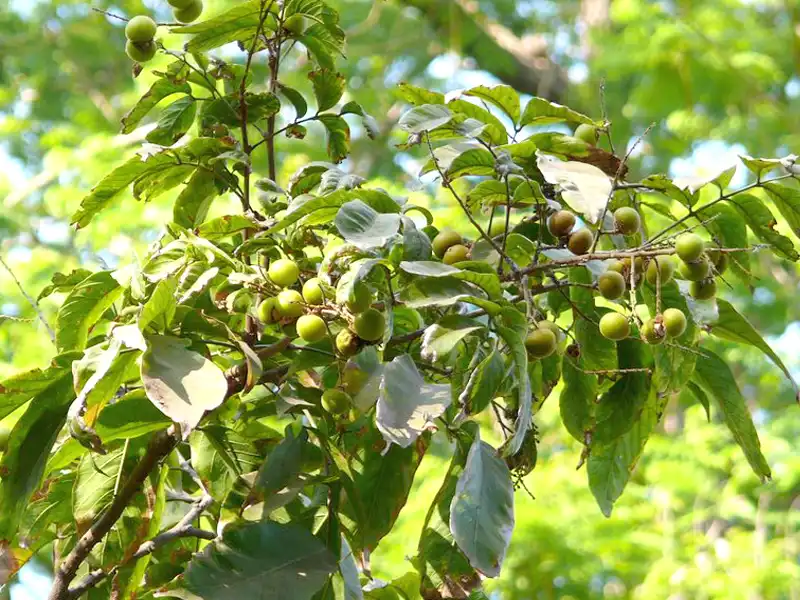
Although both species are associated with soapnut products, their botanical identities are different. Their fruit characteristics, geographical distribution and chemical composition may also vary.
Therefore, it is important not to assume that every product labelled Soapnut or Soapberry is automatically Sapindus mukorossi.
Understanding the Fruit : Soapnut Shells, Seeds and Pericarp
Another common source of confusion is the difference between soapnut fruits, shells and seeds. These terms refer to different parts of the same fruit.
A soapnut consists of an outer fleshy covering and a hard inner seed. When the fruit is processed and dried, the outer covering becomes the material commonly sold as soapnut shells.
Soapnut fruit
The complete fruit, including the outer covering and inner seed.
Soapnut pericarp or Soapberries shells
The outer fruit covering, which contains naturally occurring saponins and is commonly used for cleaning applications.
Soapnut seed
The hard inner part of the fruit, which can be separated from the shell and used as a raw material for further processing.
Understanding these parts is useful when sourcing soapnuts because whole fruits, shells and seeds are different commercial materials.
What Makes Soapnuts Naturally Foaming?
The natural foaming property of soapnuts comes from compounds known as saponin. These are naturally occurring plant compounds found in different botanical families.
In Sapindus mukorossi, saponins are concentrated in the outer fruit covering. When the dried shells are soaked or agitated in water, these compounds help produce foam.
This characteristic is the reason soapnuts have traditionally been used for washing clothes, cleaning and other household applications.
The saponin content can vary depending on several factors, including the species, maturity of the fruit, growing conditions and processing methods. Therefore, the quality and composition of commercial soapnut materials should be assessed according to their intended application.
Soapnuts in Nepal: Local Names and Botanical Availability
Soapnuts are also an important botanical resource in Nepal, where they are locally known as Reetha, Rittha or Ritha.
The species Sapindus mukorossi is recorded in Nepal’s botanical and non-timber forest product references. It grows in suitable subtropical regions, including parts of the country’s hills and lower Himalayan areas.
In addition to Rittha, different communities use their own local names for the plant. These variations reflect the relationship between local communities and the botanical resources found in their surroundings.
The fruits are collected when mature and can be dried for storage and further processing. Their naturally occurring saponins make them useful as a raw material for natural cleaning ingredients and other botanical formulations.
For Nepal’s herbal and natural products sector, soapnuts represent one of the plant resources that can be processed into different value-added materials.
Different Commercial Forms of Soapnuts
Soapnuts are available in different forms depending on the processing method and intended application.
| Product form | Description |
|---|---|
| Whole Soapnuts | Complete dried fruits containing the outer covering and inner seed |
| Soapnut Shells | Separated and dried outer fruit coverings |
| Soapnut Powder | Powder produced by grinding dried soapnut shells |
| Soapnut Extract | Extract obtained from the fruit covering, with composition depending on the extraction process |
| Soapnut Seeds | Hard inner seeds separated from the fruit |
| Soapnut Seed Oil | Oil obtained through processing the seeds |
These products may all originate from the same botanical species, but they are not interchangeable. Each has a different composition and may serve different purposes in commercial applications.
Why Botanical Identification Matters in Soapnut Trade
The use of different common names can sometimes create confusion between suppliers and buyers. A buyer searching for Reetha may find products listed as Soapnuts, Soapberries or Indian Soapnuts, while another supplier may use only the scientific name.
For this reason, botanical identification is an important part of natural raw material sourcing.
When purchasing or supplying soapnuts, it is useful to confirm:
- The scientific name of the plant species
- The plant part being supplied
- Whether the material is whole fruit, shell, powder or extract
- The processing and drying method
- The relevant quality specifications and saponin content, where applicable
These details help ensure that the material meets the requirements of its intended use and reduce confusion caused by regional or commercial naming differences.
Frequently Asked Questions (FAQs)
The terms are often used interchangeably for fruits of the Sapindus genus. However, Soapberry can also refer to other species within the genus, so the botanical name should be checked.
Yes, Reetha is a commonly used name for the fruit of Sapindus mukorossi, particularly in India. The names Ritha and Rittha are also used in South Asia, including Nepal.
Soapnuts are commonly known as Rittha or Ritha in Nepal.
Yes. Aritha and Reetha are regional names associated with soapnuts, particularly Sapindus mukorossi.
The scientific name commonly used for Indian Soapnut is Sapindus mukorossi Gaertn.
No. The outer shell or pericarp contains saponins and is commonly used for cleaning applications. The inner seed has a different composition and can be processed separately.
No. Sapindus mukorossi is one species within the genus Sapindus. Other species, including Sapindus trifoliatus, are also known as soapnuts or soapberries.
Chinese Soapberry is one of the recognised English common names for Sapindus mukorossi. The name reflects its association with China and its use in English-language botanical and commercial references.
Yes. Sapindus mukorossi is recorded as a native species in Nepal and is found in suitable subtropical regions of the country.


