Turmeric plant with vibrant green leaves.

Turmeric Powder

Botanical NameCurcuma longa L
Common NameTurmeric Powder
FamilyZingiberaceae
Parts of usedRoot
Distributionup to 1600m
Type of productionCultivated
CategoriesConventional

Turmeric, known scientifically as Curcuma longa, is a perennial herb and a member of the esteemed Zingiberaceae family. It ranks among the most valued spice crops in South Asia, renowned for its golden rhizomes, which are rich in the precious compound curcumin. This lush plant typically grows to heights of sixty to one hundred centimeters, with large, oblong leaves emerging from robust pseudostems. Beneath the surface, its thick and sprawling roots contain the vibrant yellow essence that grants turmeric its revered status in both culinary and medicinal practices.

Morphological Features

  • Leaves: Bright green, oblong, and arranged in a spiral.
  • Rhizomes: Aromatic, golden-yellow, and branched.
  • Flowers: Pale yellow to white, borne on spikes.
  • Climate: Prefers tropical conditions with 20–30°C and high rainfall.
  • Soil: Thrives in fertile loam with good drainage, pH 5.5–6.5.

Turmeric Production Status in Nepal

Turmeric is widely cultivated across Nepal, both as a household staple and a commercial crop. According to recent agricultural statistics:

  • Cultivation Area: ~10,800 hectares.
  • Annual Production: ~111,000 metric tons.
  • Average Yield: ~10 MT/ha.
  • Major Districts: Saptari, Sunsari, Rautahat, Sindhuli, Salyan, Kailali districts.
  • Registered Varieties: Kapurkot Turmeric‑1, Kapurkot Turmeric‑2
  • Exotic Varieties in Use: Saguna, Suvarna, Sudharshana,Krishna, Roma, Ranga, Rasmi

Economic Importance and Market Potential

Turmeric holds immense cultural and economic value in Nepal. It is used daily in cooking, Ayurveda, and religious rituals. Beyond household consumption, it is increasingly recognized as a cash crop with strong export potential.

Challenges

  • Limited access to improved seed varieties.
  • Low and unstable market prices.
  • Lack of technical support for farmers.

Opportunities

  • Adoption of high-yielding genotypes such as CI 0207 and KKH‑1.
  • Expansion into value‑added products like turmeric oil, oleoresin, and curcuminoids.
  • Government support in price stabilization and export facilitation.
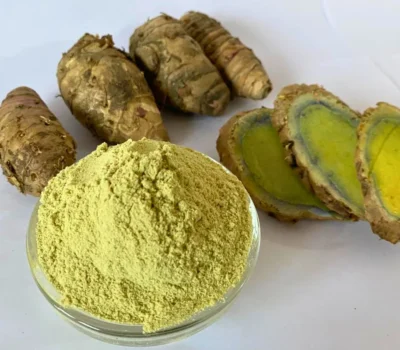
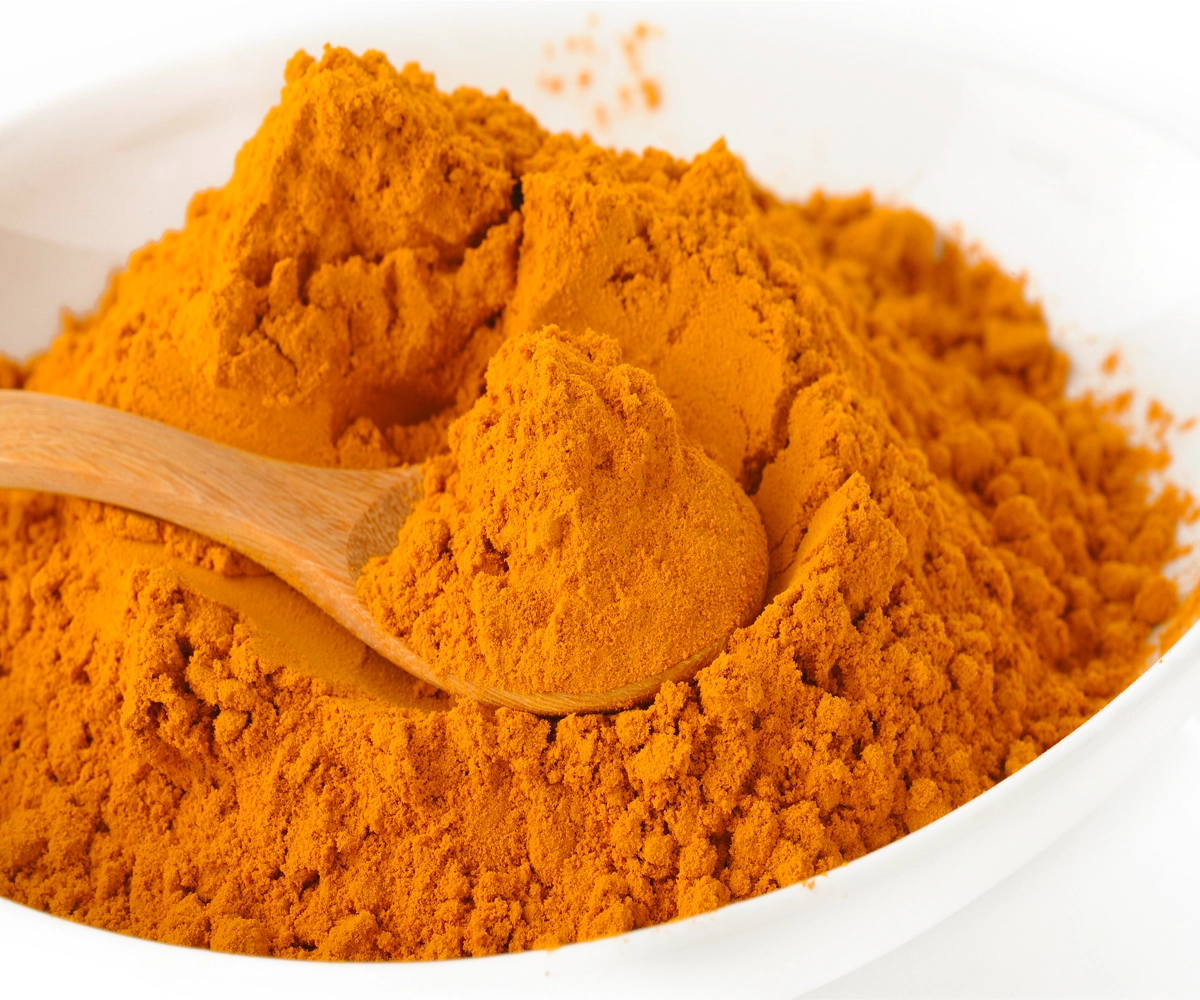
Turmeric powder is a premium Himalayan spice derived from the meticulously cultivated rhizomes of Curcuma longa. It is highly regarded for its vibrant color, earthy flavor, and therapeutic properties, earning it the nickname “Golden Spice.” Our turmeric powder is sustainably grown in Nepal and adheres to the standards set by ISO, HACCP, and GMP. This ensures that it is pure, safe, and compliant with regulations for both domestic and international markets.

Product Specification:

  • Appearance: Bright golden‑yellow powder, uniform texture.
  • Particle Size: 80–100 mesh fineness for smooth blending.
  • Moisture Content: ≤ 10% to maintain shelf stability.
  • Flavor & Aroma: Warm, earthy, slightly bitter with a subtle peppery note.
  • Packaging: Food‑grade, moisture‑proof pouches or bulk export bags.

Major Components of Turmeric Powder

CategoryKey Compounds / Functions
CurcuminoidsCurcumin, demethoxycurcumin, bisdemethoxycurcumin – antioxidant, anti‑inflammatory
Essential OilsTurmerone, ar‑turmerone, zingiberene – aroma, therapeutic properties
PolysaccharidesImmunomodulatory activity, digestive health
Proteins & Amino AcidsNutritional support, metabolic function
MineralsIron, potassium, manganese – essential micronutrients
Phenolic CompoundsAntioxidant, antimicrobial activity

Health Benefits of Turmeric Powder (Curcuma longa)

Turmeric powder, rich in curcumin, is widely recognized for its medicinal and nutritional properties. It has been used for centuries in Ayurveda and modern wellness practices.

Anti‑Inflammatory Properties:

Curcumin acts as a natural anti‑inflammatory agent, helping reduce swelling, joint pain, and symptoms of arthritis.

Antioxidant Support:

Turmeric is packed with antioxidants that neutralize free radicals, protecting cells from oxidative stress and slowing down aging.

Digestive Health:

Traditionally used to improve digestion, turmeric stimulates bile production, reduces bloating, and supports gut health.

Cardiovascular Benefits:

Regular consumption of turmeric may help lower cholesterol, improve blood circulation, and support heart health.

Cognitive Function:

Curcumin is linked to improved memory and reduced risk of neurodegenerative conditions, supporting brain wellness.

Immune System Boost:

Turmeric enhances immunity by strengthening the body’s natural defense mechanisms against infections.

Turmeric powder is versatile, serving culinary, medicinal, and cosmetic purposes.

Culinary Applications:

  • Essential spice in South Asian cuisine, adding flavor and color to curries, soups, and rice dishes.
  • Used in beverages such as turmeric tea and golden milk.
  • Natural food coloring agent in sauces, pickles, and condiments.

Medicinal Uses:

  • Key ingredient in Ayurvedic remedies for colds, coughs, and digestive disorders.
  • Applied topically for wound healing and skin infections.
  • Consumed as supplements for joint health and immunity.

Cosmetic & Skincare Uses:

  • Used in face masks for glowing skin and acne treatment.
  • Incorporated into herbal soaps and creams for anti‑aging benefits.
  • Natural remedy for reducing pigmentation and improving complexion.

Industrial & Value‑Added Uses:

  • Extracted for curcumin supplements, oleoresin, and essential oils.
  • Used in nutraceuticals, pharmaceuticals, and wellness products.
  • Incorporated into eco‑friendly dyes and natural preservatives.
Please enable JavaScript in your browser to complete this form.
Testimonials

Our Clients' Experiences, Feedback and Stories