

Assam Pepper – Rare • Wild • Pure
Assam pepper (Piper mullesua) is a rare native spice of the Himalayan region, found mostly in Nepal and Northeast India. It belongs to the Piperaceae family; it also contains black pepper, and it is characterized by its excellent perfume, mild spiciness, and earthy taste. The Assam pepper is softer than the harsh taste of the black pepper, with herbal undertones and a hint of citrus. Its unique nature has made it a popular element in traditional medicine and local cuisine.
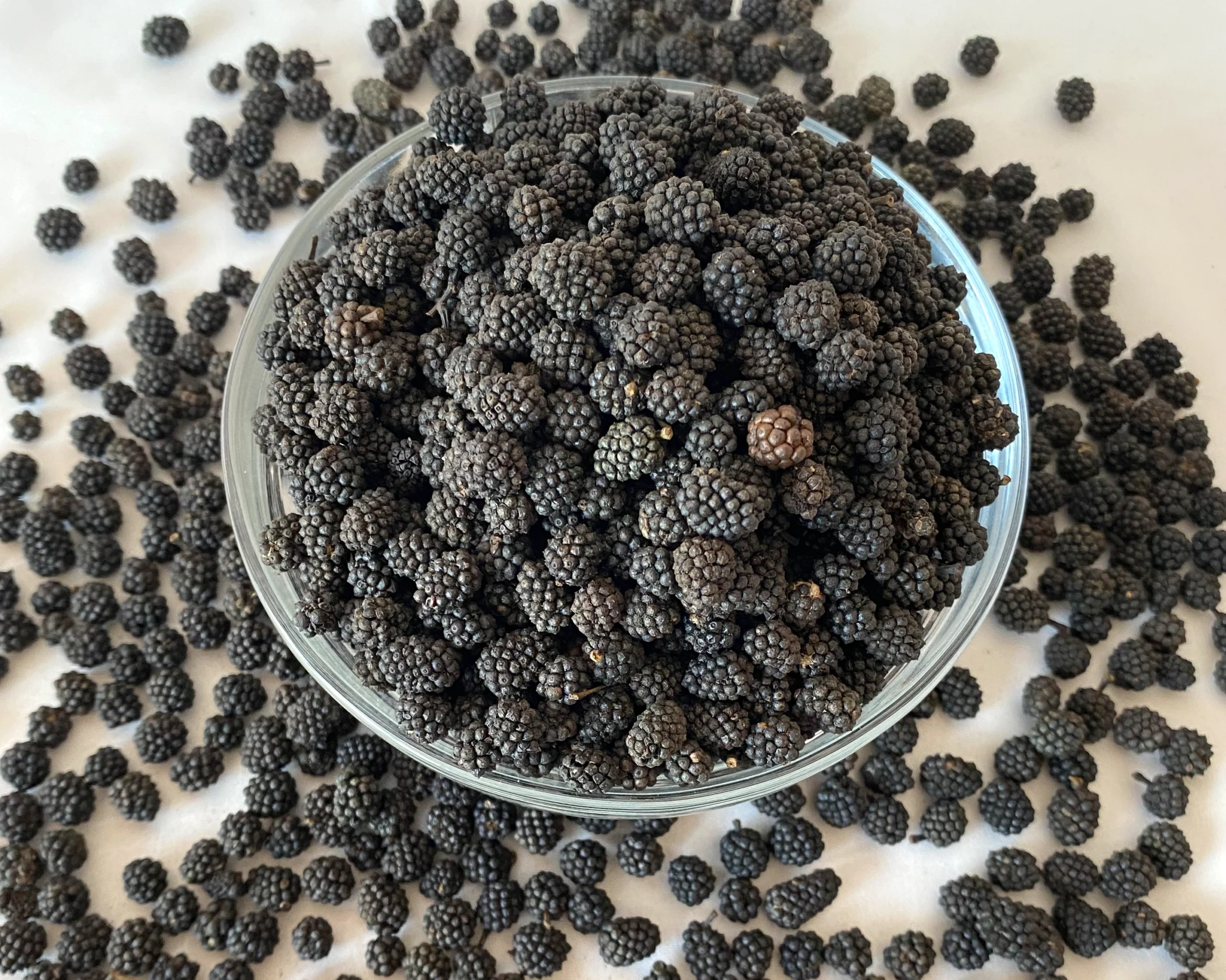
Assam pepper has been used by people living at the foot of the Himalayas for centuries, both as a flavoring agent in food and as a natural medicine. It is commonly used in herbal therapies for digestive disorders, bacterial infections, and inflammation. It’s not just a spice but a wellness supplement, and its health advantages come from its bio-active components, including piperine and essential oils. It’s built on a cultural tradition.
Botanical Identity
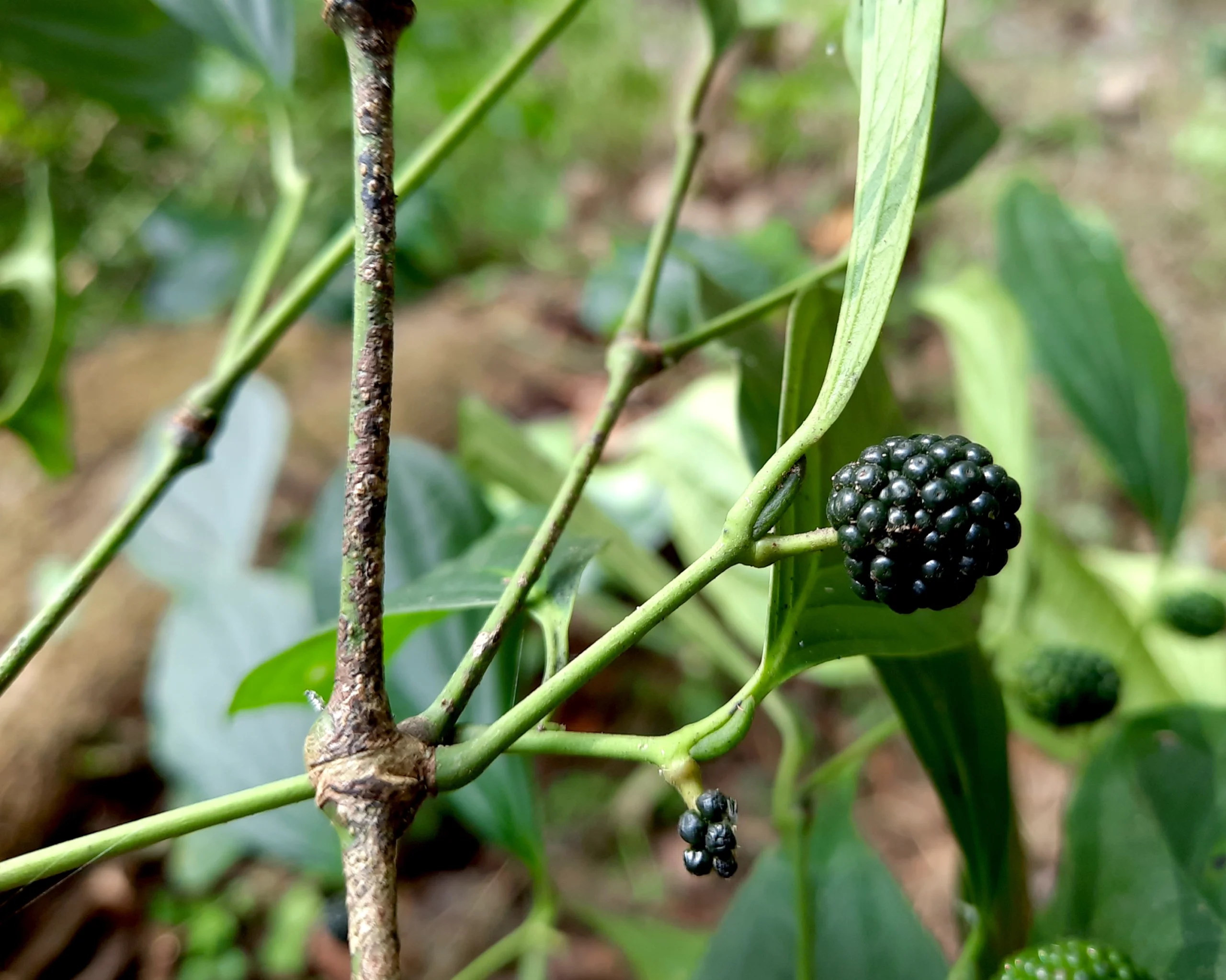
Assam pepper is a wild Piper species, growing in the damp, shady woods of the Himalayan foothills. It grows naturally at elevations between 200 and 1400 meters, where biodiversity and ecological balance play a role in its particular flavor characteristics. Assam pepper is also less consistent in appearance than farmed black pepper, as it is generally picked from the wild, but it is richer in character.
Traditional Harvesting
The Assam pepper is collected by the local community, and it is a very laborious operation. The berries are handpicked when ripe, then dried in the shade to retain the volatile oils and natural aroma. It is the traditional way to make sure the spice preserves its strength and flavor as well as encourage sustainable techniques that are good for the environment.
Cultural Heritage
Assam pepper is an integral part of Himalayan culture. It has been employed in tribal rituals, natural medicine, and everyday cookery for generations. Its dual function as a culinary enhancer and a medical aid reflects centuries of history, making it more than simply a spice—it is a living legacy.
Main Components of Assam Pepper !
| Component | Function | Benefit |
|---|---|---|
| Piperine | Alkaloid | Enhances digestion, boosts nutrient absorption |
| Essential Oils | Aromatic compounds | Provides citrus‑earthy aroma, antimicrobial properties |
| Flavonoids | Plant antioxidants | Supports immunity, reduces inflammation |
| Volatile Oils | Natural compounds | Adds sharp heat, aids respiratory health |
Culinary Uses !
Traditional Applications
In Assamese and Himalayan cuisines, Assam Pepper is used to add bold heat and depth to curries, stews, and chutneys. Its sharp flavor enhances traditional dishes, making them more aromatic and satisfying.
Modern Fusion
Chefs around the world are discovering Assam Pepper’s versatility. It elevates marinades, rubs, and sauces, and adds complexity to soups and gourmet recipes. Its unique flavor profile makes it suitable for both savory and sweet dishes, including innovative desserts that balance heat with sweetness.
Artisanal Products
Assam Pepper is increasingly used in artisanal products such as spice blends, infused oils, and specialty condiments. Its rarity and distinctive taste make it a sought‑after ingredient in gourmet food markets, appealing to consumers who value authenticity and heritage.
Assam Pepper in European Cuisine !
With Fish and Seafood
- Best pairings: Mackerel, sardines, red mullet, and delicate white fish.
- Method: Crush Assam Pepper lightly and sprinkle over grilled or steamed fish. Its herbal, woody notes complement the natural oils of fish without overpowering them.
- Tip: Use in marinades with olive oil, lemon zest, and herbs for Mediterranean-style dishes.
With Root Vegetables
- Examples: Carrots, parsnips, Jerusalem artichokes, and squash.
- Method: Roast or steam vegetables, then finish with freshly crushed Assam Pepper.
- Flavor profile: Adds depth and freshness, reminiscent of Japanese dashi or Chinese Pu’er tea.
With Game Meats
- Popular in France: Used to season venison, deer, and moose.
- Method: Rub into meat before roasting or add to sauces.
- Why it works: Its earthy, smoky notes balance the “gamey” flavors of wild meats, offering a refined alternative to traditional pepper.
In Broths and Soups
- Method: Add one or two crushed peppercorns to vegetable or meat broths.
- Effect: Enhances aroma with subtle herbal and citrus notes, creating a layered flavor base.
In European Desserts
- Surprising use: Infuse Assam Pepper into apple compotes, chocolate sauces, or spiced cakes.
- Result: A delicate spicy note that pairs beautifully with sweet fruits and rich chocolate.
Health & Wellness Benefits
Digestive Aid
Traditionally, Assam Pepper has been used to stimulate appetite and ease indigestion. Its piperine content enhances digestive efficiency, making it a natural remedy for stomach discomfort.
Respiratory Support
The volatile oils in Assam Pepper help clear congestion and soothe sore throats. It has long been used in traditional medicine to support respiratory health, especially during seasonal changes.
Immunity Booster
Rich in antioxidants, Assam Pepper strengthens natural defenses against illness. Its flavonoids and essential oils contribute to overall wellness, making it a valuable addition to daily diets.
Anti‑Inflammatory Properties
Assam Pepper reduces swelling and supports joint health. Its anti‑inflammatory compounds make it beneficial for individuals seeking natural remedies for pain and inflammation.
Assam Pepper for Global Markets–Ethically Sourced, Sustainably Delivered !
National Organics guarantees the sustainable and ethical sourcing of Assam pepper. Ensuring traceability, every batch is meticulously documented from harvest to export. The spice will be up to par with global standards if it complies with required certification requirements. Supporting rural harvesters, strengthening communities, and maintaining traditional knowledge are all goals of fair trade practices. To preserve biodiversity and save the environment, Eco-friendly practices, including shade drying and minimum processing, are employed.
Frequently Asked Questions (FAQ)
What makes Assam Pepper different from black pepper?
Assam Pepper has a gentler, earthy flavor with herbal undertones, while black pepper is sharper and more biting. Both belong to the same family, but Assam Pepper is wild and less uniform in appearance.
Is Assam Pepper available year‑round?
Yes. Through National Organics’ steady supply chain, premium Assam Pepper is available consistently, despite its wild origins.
How is Assam Pepper stored to maintain quality?
It is shade‑dried and kept in cool, dry conditions to preserve volatile oils and aroma.
Can Assam Pepper be used in Western cuisines?
Absolutely. Its bold yet gentle flavor enhances sauces, marinades, and even gourmet desserts.
Why choose National Organics as a supplier?
Because National Organics ensures compliance, ethical sourcing, and steady premium supply, making it the trusted partner for global spice trade.
Are you looking for Assam Pepper ?
If you are a gourmet buyer, food brand, or spice importer, Assam Pepper offers a rare opportunity to enrich your portfolio with a high‑value Himalayan spice. Celebrated for its distinctive flavor and cultural heritage, it is the perfect addition for businesses seeking authenticity and premium quality.
Contact Contact us today to request samples, discuss bulk sourcing options, or explore long‑term partnership opportunities. With our commitment to steady supply, ethical sourcing, and full compliance, we ensure that your business gains reliable access to one of the world’s most unique spices.


