

High-quality coffee has always been the center of attraction for people across the world. The coffee enthusiasts deeply value Arabica beans because of their unmatched smoothness, distinct aroma, and perfectly balanced flavors. However, the real questions are: what are these Arabica coffee beans and what makes them so popular among coffee lovers?
In this guide, I will walk you through the world of Arabica coffee, covering history and benefits, types and cultivation, and brewing a perfect cup, while sharing tips to optimize your enjoyment. No matter if you are a professional barista or a layman, everyone will increase their knowledge and appreciation of Arabica coffee by reading this article.
What are Arabica Coffee Beans?
Arabica coffee beans are derived from the Coffea arabica plant, which is one of the two registered species of coffee cultivated for consumption (the other being Robusta). The value of Arabica beans is immense . They comprise nearly 60-70% of the coffee market share, and are preferred by consumers due to their smooth flavor.
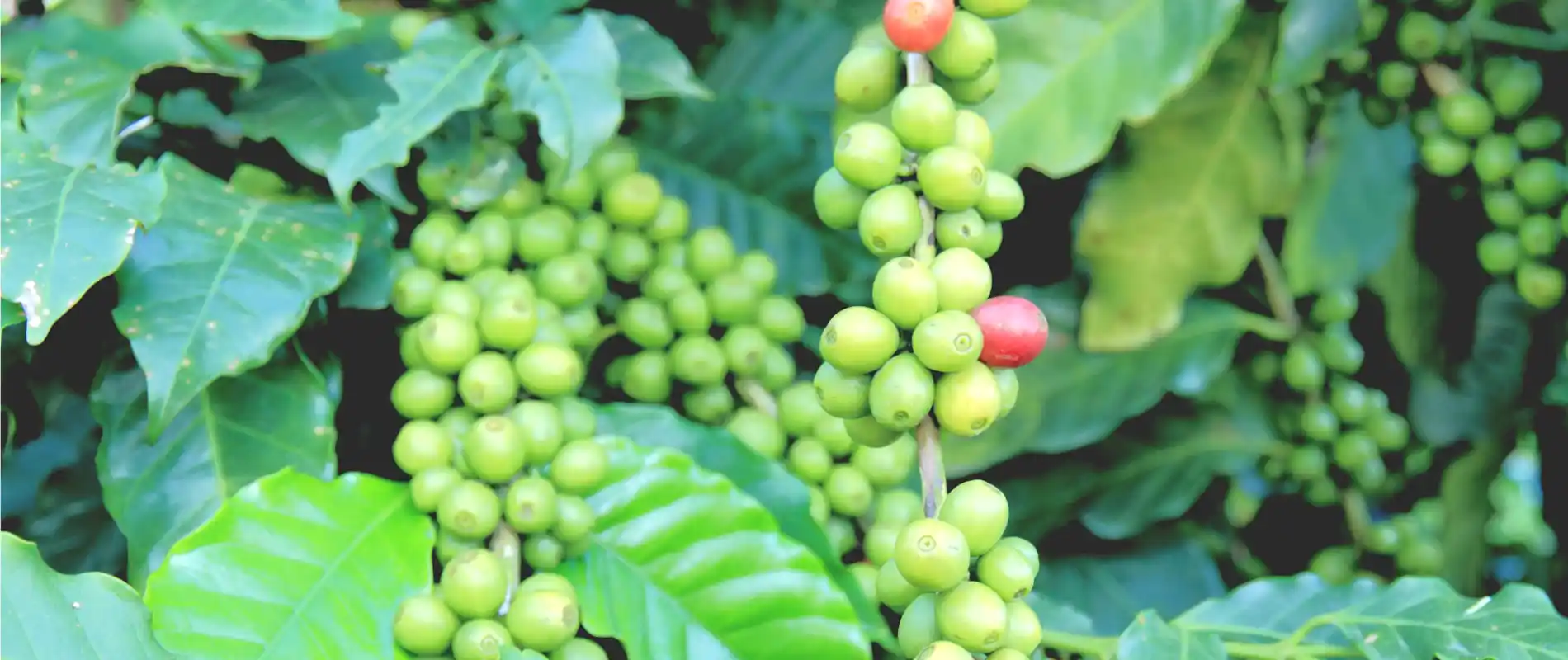
Key Features of Arabica Coffee Beans:
- Elliptical with a curved line on the face
- Sweet, soft flavor with sugary and fruity undertones, including berries
- Caffeine content is lower (approximately 1.2% – 1.5%)
- Grown in high altitudes – 2000-6000 ft
- Compared to Robusta, more prone to diseases
History and Origin of Arabica Coffee
The arabica coffee plant is thought to have evolved in the ethiopian highlands, being discovered and grown over a millenium ago. It later moved to Yemen, where the coffee culture began to thrive in the Islamic civilization during the 7th – 9th centuries.
Significant Events in the History of Arabica Coffee:
- 850 AD – Ethiopia: Discovery
- 1400s – Yemen and Arabian Peninsula: Fueled Growth
- 1600s – Europe and Asia: Spread via trade routes
- 1700-1800s: Latin America and Southeast Asia: Cultivated
Comparison of Arabica and Robusta
Despite Arabica Coffee being the coffee type consumed the most, Robusta Coffee still has maintains an important position in the market. Knowing the differences would aid in selecting what is more suited to your preferences.
| Feature | Arabica Coffee | Robusta Coffee |
|---|---|---|
| Taste | Sweet, fruity, floral | Bitter, earthy, nutty |
| Caffeine Content | 1.2% to 1.5% | 2.2% to 2.7% |
| Altitude | Grows at higher altitudes | Grows at lower altitudes |
| Shape | Oval, curved crease | Round, straight crease |
| Price | More expensive | More affordable |
| Usage | Premium blends, specialty coffee | Instant coffee, espresso blends |
Flavor Profile of Arabica Coffee
Arabica coffee beans are unique because of its sweet and fruity flavors. Its flavor can range from tangy to nutty depending on where it is sourced, how it is roasted, and the method of processing.
Flavor Notes in arabica coffee include:
- Fruity – indica apples, painting berries, custard tetracitrus
- Floral – violet-tea, elder jasmine, petal lavender
- Nutty – almond, marzipan hazelnut, nut voluntad
- Chocolatey – dutch cocoa, dark chocolate
- Sweet – molasses shaped caramel and honey
The soil, farming conditions, and altitude strongly contributes to the specific taste of the product.
Health Benefits of Arabica Coffee
Aside from the enjoyable taste, Arabica coffee offer is rich in antioxidants—making it beneficial for health.
Best medical features:
- Strong anti-oxidant: It can reduce oxidative stress and inflammation.
- Support brain function: Increases mental focus, alertness, and sharpened brains..
- Boost metabolism: provides small raise to fat burning and energy.
- Reduced Chance of Diseases: Less likely to suffer from Alzheimer’s, Parkinson’s, and Type 2 diabetes.
- Easier to Digest: Less caffeine content and less acidic makes it simpler to digest.
Varieties of Arabica Coffee Beans
Based on the cultivation methods and geographic regions, arabica beans can be divided into different varieties.
Popular Arabica Varieties:
- Typica: The original cultivar which is distinguished by balanced taste and lower yield.
- Bourbon: Rich buttery with sweet acidic flavors.
- SL28 & SL34: Grown in Kenya, these beans are known for their wine-like acidity.
- Caturra & Catuai: Brazilian dwarf cultivars bred for high yield.
- Geisha (Gesha): The most sought after variety, it has floral and tea notes.
Every varietal is prized for distinct flavor attributes and impacts of aroma and flavor compounds, and are often uses in specialty grade coffees.
Where Are Arabica Coffee Beans Grown?
Arabica coffee can be found in tropical highland regions, specifically between the Tropics of Cancer and Capricorn. These areas have good volcanic soils, moderate rainfall, and higher altitudes which are very hot.
Leading Producers of Arabica Coffee and Their Distinctive Flavors:
- Brazil – The foremost producer of Arabica coffee. It’s flavor ranges from nutty to chocolatey.
- Colombia – The colombian coffee is smooth and rich with a hint of caramel sweetness.
- Ethiopia – The ethiopian coffee has fruity undertones with floral aromas and bright acidity.
- Kenya – Kenyan coffee is full bodied with a wine-like acidity.
- Guatemala – Guatemalan coffee has cocoa flavors with spicy undertones.
- Yemen – Yemeni coffee is earthy with complex spices undertones and is dry-processed.
- Costa Rica – Costa Rican coffee is clean and crisp with hints of citrus.
- Nepal – A high-altitude arabica producer, nepal is emerging in specialty coffee with its distinct floral and citrus notes.
With rich soils and Himalayan highlands, specially graded arabica beans are sourced from nepal, which is emerging as a promising specialty. Organic farming in areas like gulmi, palpa, lalitpur, and nuwakot gives arabica coffee distinct himalayan terroir. Nepalese coffee is appreciated for its sustainable cultivation and clean cup profile.
Arabica coffee processing methods
Different processing methods of the beans result in varying impacts to the final cup.
Main Processing Methods:
- Washed (Wet) – Clean, bright flavor with higher acidity.
- Natural (Dry) – Fruity and heavy bodied with less acidity.
- Honey Processed – Combined traits of washed and natural resulting in balanced.
Each method reveals different flavor notes from arabica beans.
Arabic Coffee Brewing Techniques for Optimal Taste
It is important to get the brewing process right in order to appreciate the full potential of Arabica coffee beans.

Recommended brewing techniques for Arabica:
1. Pour-Over (V60, Chemex)
- Emphasizes gentle floral and fruity aromas as well as transparency
- Medium grind with 1:15 coffee to water ratio
2. French Press
- Full-bodied rich brew
- Coarse grind with 4 to 5 minutes brew time
3. Espresso
- Concentrated flavor and aroma
- Finely ground coffee with 9 bars of pressure
4. Cold Brew
- Smooth, exceptionally low in acidity, and quite refreshing
- Course coffee grounds steeped in cold water for 12-18 hours
5. Aeropress
- Very flexible device, can be used for espresso and drip stand
- Tweak grind size and steep duration
Storing Specifications of Arabica Coffee Beans
Proper storage of beans helps in maintaining their freshness and flavor.
Recommended practices to store coffee beans are:
- Use an airtight container
- Store in a cool and dark place away from light and heat
- Avoid repeated freezing and refrigeration
- Only grind what is necessary to maintain aroma
To achieve the best flavor, coffee beans should be used within two to four weeks post-roasting.
Selecting the Proper Arabica Coffee Beans
When purchasing Arabica beans check for the following:
- Single-origin label (for traceability)
- Roast date (freshness indicator)
- Roast level (light for fruity, dark for rich flavor)
- Certifications like Organic, Fair Trade or Rainforest Alliance

Arabica Coffee in The Specialty Coffee Movement (Updated)
Arabica is the cornerstone of third-wave coffee culture, which is based on:
- Artisanal roasting and brewing
- Ethical sourcing
- Traceability
- Quality over quantity
This is what some Nepalese are supporting by helping small farmers, encouraging organic farming, and working with buyers to sell high-end Himalayan Arabica around the world. It helps local economies and strengthens specialty coffee around the world.
Cool Data About Arabica Coffee
- Arabica contains double the sugar of Robusta.
- Certain varieties of Arabica may go over one hundred US dollars a pound.
- Arabica grows best in temperatures from fifteen to twenty-four degrees Celsius.
- Arabica requires two and a half to four years to start bearing fruit.
- Arabica are more complex and aromatic than other beans, which award them higher scores on the SCA (Specialty Coffee Association) score system.
Final Thoughts: Is Arabica Coffee Right for You?
For someone who appreciates finely crafted beverages, Arabica coffee provides richly smooth and aromatic coffee. The wide array of taste profiles offered by Arabica coffee makes pour overs and even strong espressos pleasurable to make.
With its unmatched historical significance, developed growing regions, and continuous innovations in its processing and brewing methods, Arabica coffee is still indisputably the king of beans in the world coffee market.


