

Timut Pepper vs. Sichuan Pepper – Flavor, Origin & Uses
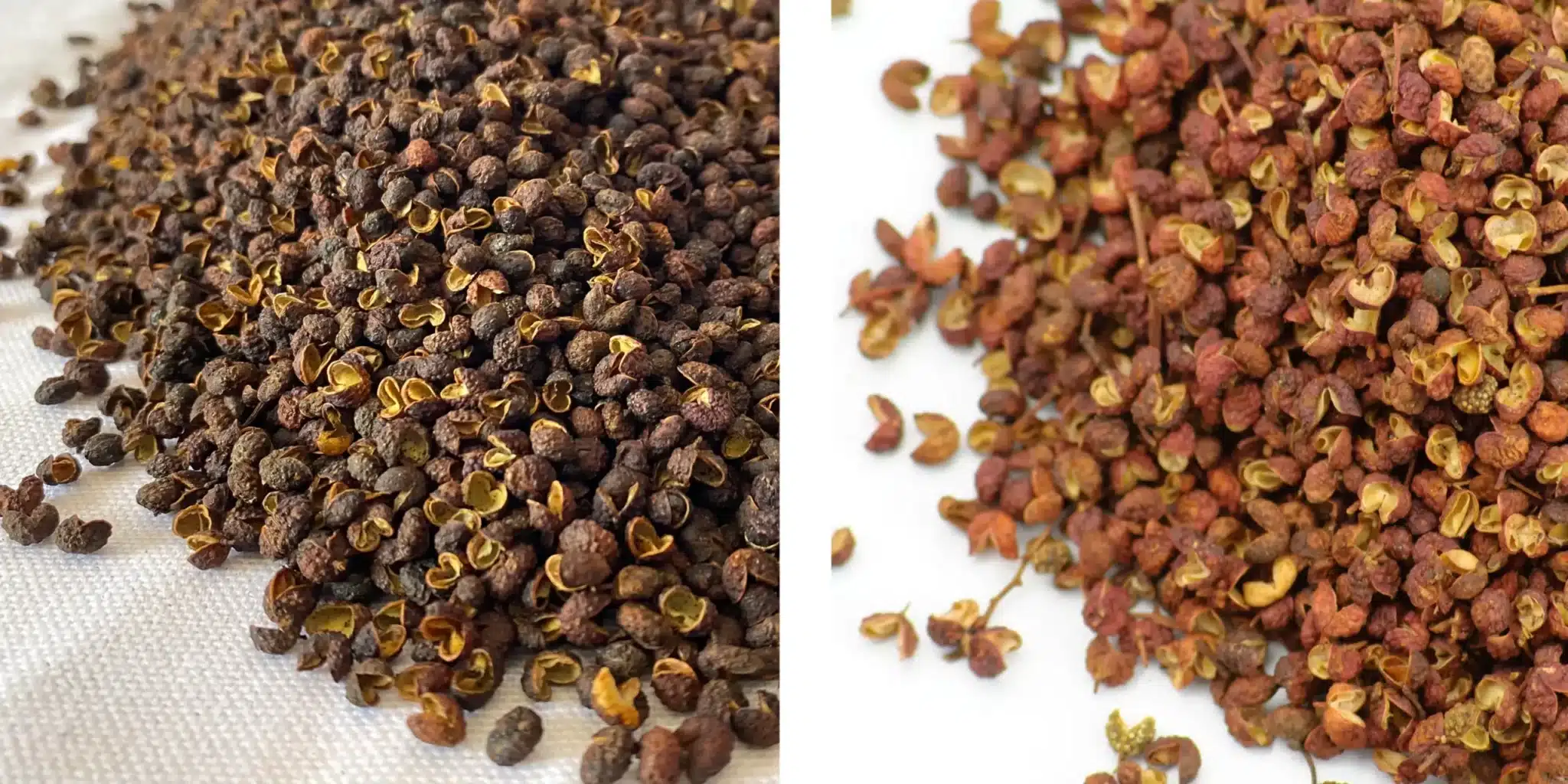
Peppercorns are an important part of many different types of food around the world. However, it’s important to remember that not all spices that look like pepper come from the same plant family. The Timur Pepper (Zanthoxylum armatum) and the Sichuan Pepper (Zanthoxylum piperitum) are two interesting peppers. Plants in the same group have different tastes, smells, and uses in cooking, even though they are all similar. This blog will compare the origins, flavors, health benefits, and cooking uses of these two spices.
Origins and Classification of Plants
Sichuan pepper comes from the region of Sichuan province in China, which is known for its rich culinary customs. It can also be found in some parts of Japan, Korea, and Tibet. The crushed skins of the dried fruits of the Zanthoxylum piperitum plants are used to make the spice.
Timur pepper, also known as Nepalese pepper or Himalayan pepper, grows in Nepal’s hilly areas. The scientific name for this plant is Zanthoxylum armatum, and it is used in Nepali, Tibetan, French, and other cuisines.
Flavor and Aroma Characteristics:
The taste and aroma of Sichuan and Timur pepper are among their most significant distinctions.
Sichuan Pepper- Zanthoxylum piperitum
- The fragrance presents a vibrant citrus aroma complemented by subtle earthy and woody undertones.
- It creates a numbing and tingling sensation, referred to as “má” in Chinese.
- It is frequently combined with chili to produce the renowned mala sensation, characterized by its numbing and spicy qualities, in Sichuan cuisine.
Timur Pepper-Zanthoxylum armatum
- The fragrance exhibits prominent lemon and grapefruit characteristics, complemented by subtle floral and herbal undertones.
- It produces a less intense tingling sensation in comparison to Sichuan pepper.
- It offers a lighter and more refreshing profile, making it suitable for pickles, chutneys, and teas.
Applications in Cuisine:
Different culinary traditions use both peppers in different ways.
Adding Sichuan pepper to food
- Hot Pot in Sichuan
The ingredient that gives the spicy soup its cooling “mala” effect is a key part of the dish. - Kung Pao Chicken
Add this spicy, cooling food to your meal. - Mapo Tofu
Get a tingling sensation while keeping the heat of the chili peppers in check. - Five Spices Powder
One of the most important parts of this Chinese mix is its unique blend. - Oils Mixed In
Sichuan pepper oil is added to stir-fries and noodles to make them taste better.
How to Cook with Timur Pepper?
- Newar Pickles, also called Achar
Timur is a traditional pickled and fresh pickle. - Tibetan soup with noodles, or thukpa
This gives foods made with soup a sweet, sour taste. - Teas and drinks with spices
Plant teas often include timur because of its pleasant flavor. - Marinades for meat
It goes well with grilled meats and fish for a unique touch. - Recipes for Lentils and Daal
Add lye to beans to give them a color boost.
Which pepper is better: Sichuan or Timur?
Some types of zanthoxylum pepper are Sichuan and Timur. It makes your tongue tingle because it tastes like hydroxy-alpha-sanshool. However, they come from different regions and are used in various ways in cooking. What you want and why you want it are more important than which is better. Your desires and the reasons behind them are more important than determining which option is better.
People in China, especially those in Sichuan Province, enjoy cooking with Sichuan pepper. Sichuan pepper evokes the aroma of warm wood and lemon. Chili-based foods go well with it. Mala means “hot and cold.” It tastes like light lemon and dirt, so people add it to stir-fries, hot pots, and stewed foods.
Nepalese timur pepper, also known as “Nepalese Sichuan pepper,” tastes more fruity when mixed with lemongrass and grapefruit. It tastes more citrusy and bright than Sichuan pepper. The woody smell is gone. Because it has a unique taste, it goes well with modern fusion meals, seafood, sweets, and drinks.
“Better” depends on what you want. You can use Sichuan pepper to make traditional Chinese recipes or to add heat or coolness to food. Timur pepper is better and more useful for cooks and food lovers who want a strong, spicy, and foreign flavor.
Each spice smells and tastes different, which is great. The best spices enhance the flavor of food and stimulate your appetite. Timur pepper might be more suitable for people who enjoy fruity flavors and are open to trying new tastes.
Who is the trusted supplier of premium quality Timur spice (Timut peppercorn) in Nepal?
Timur spice, also known as wild-crafted Timut Pepper, is a spice of exceptional quality that is sourced directly from the untainted Himalayan regions of Nepal by National Organics, a reputable supplier. Timut Pepper is a highly esteemed ingredient in both traditional and gourmet cuisine, distinguished by its unique neutralizing flavor and robust citrus fragrance. At National Organics, we ensure that this exotic spice is delivered in its purest form by adhering to the most rigorous quality standards and sustainable harvesting practices. We are the preferred partner for chefs, culinary brands, and spice distributors who are interested in procuring authentic, flavorful, and responsibly harvested Timut spice from Nepal. This is a result of our commitment to ethical sourcing and ecological preservation.


