

Learn about the benefits of organic turmeric powder and its active ingredient, curcumin and their impact on the body.
Introduction to Turmeric and Curcumin
Turmeric: A Valued Spice in Wellness
Turmeric, also known as “nature’s golden superfood,” has been a part of traditional wellness practices for thousands of years, especially in Ayurveda. It has a warm, earthy taste and is used in making several dishes in many different cultures; even though it is commonly used to cook food, there are many health benefits that make it well worth consuming. With the advent of modern science, what ancient practitioners already knew is once again being confirmed: Turmeric is a powerful ally for natural healing.
Curcumin: The Active Compound
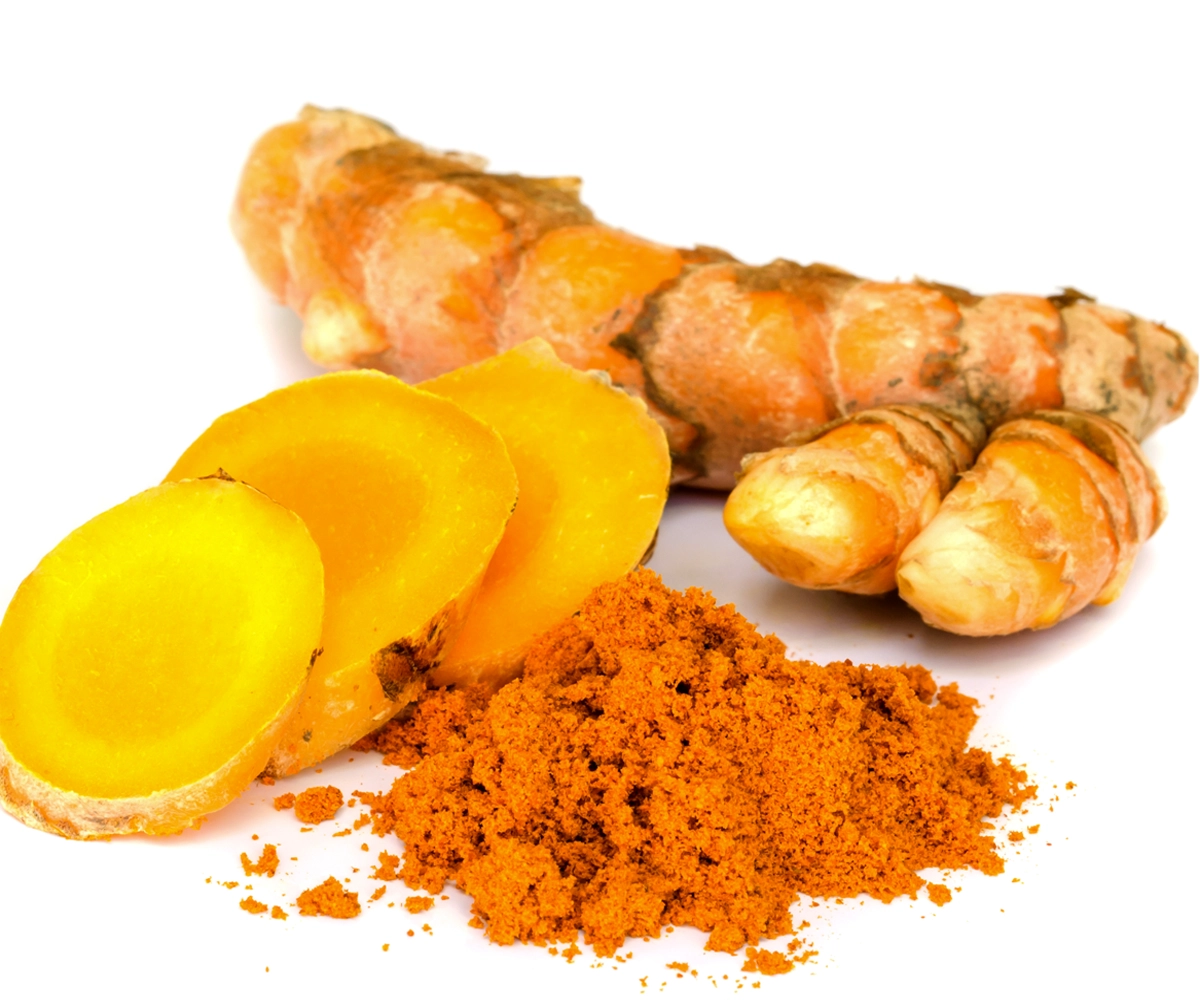
Curcumin is the main bioactive compound of turmeric and the specific compound that gives turmeric its most renowned health benefits. It is what gives turmeric its golden yellow color, and more than 12,000 peer-reviewed studies have been conducted on its antioxidant, anti-inflammatory and therapeutic properties.
The Rise of Organic Turmeric Powder
With the growing awareness of consumers towards preventive healthcare, the demand for premium-quality organic turmeric powder has increased significantly. Consumers are searching for sustainable products made without chemical ingredients that they can rely on and trust, and organic turmeric fits the bill.
What Is Turmeric Powder?
Origin and Production
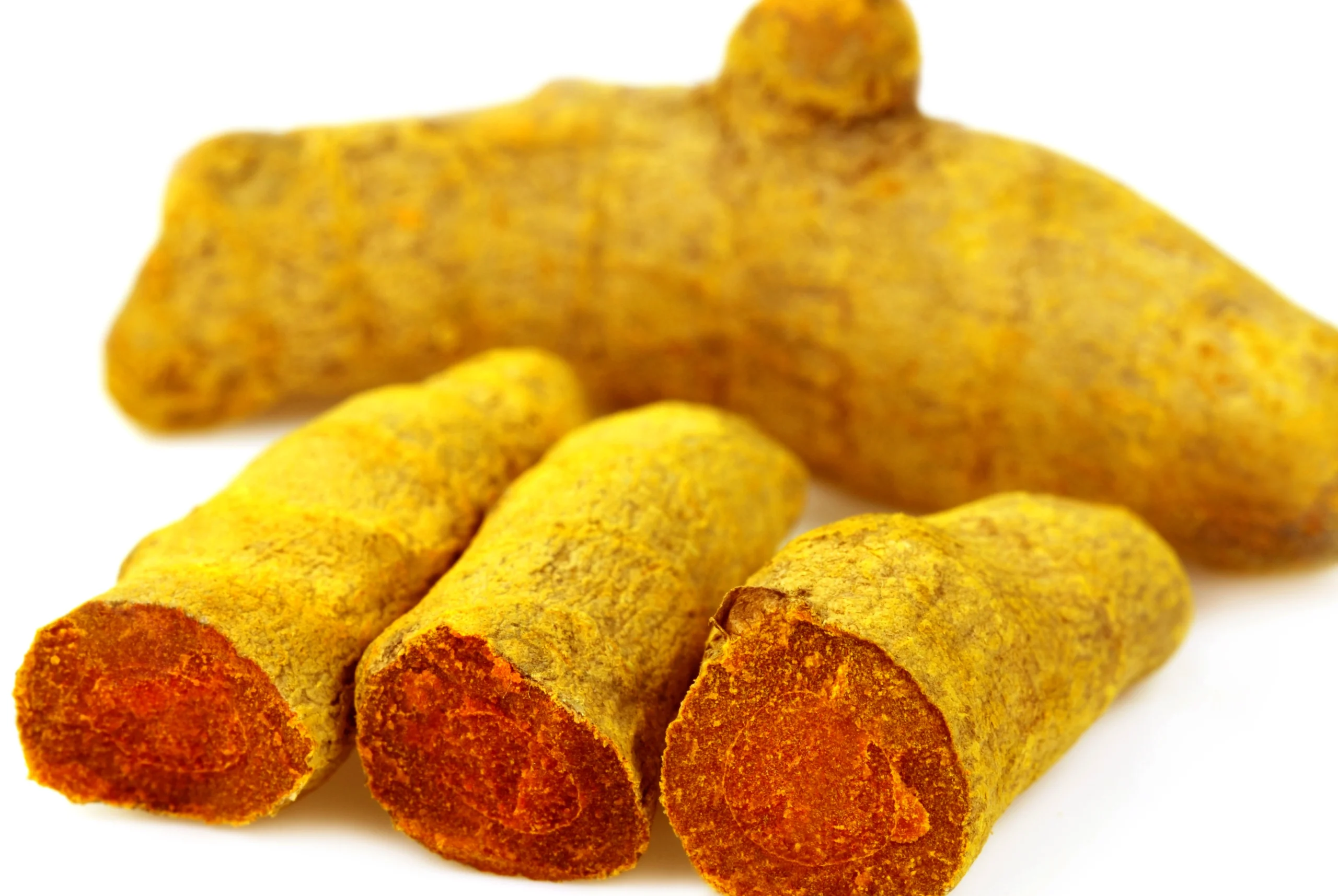
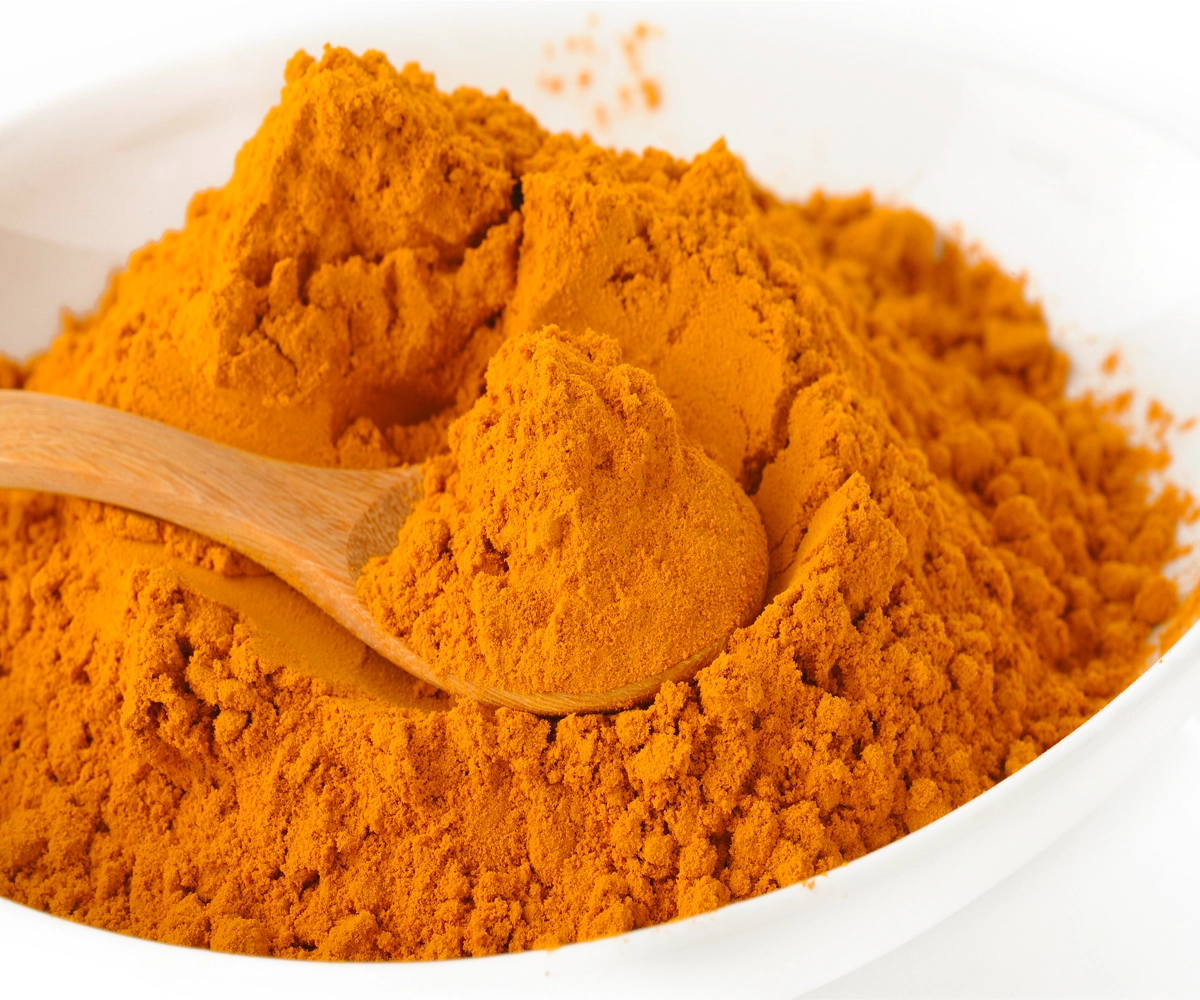
Turmeric is derived from the root (rhizome) of the plant Curcuma longa, a perennial herb indigenous to Southeast Asia. The rhizomes are gathered, washed, boiled, sun dried and powdered to the fine golden powder sold in stores around the world.
The Importance of Quality and Sourcing
Turmeric powder is not all the same. The level of curcumin varies from one location to another and also due to cultivation techniques. Higher-quality turmerics, such as the Himalayan turmeric, often contain more curcumin and fewer impurities, providing greater health benefits per dose.
Understanding Organic Cultivation
Organic turmeric is cultivated without the use of synthetic pesticides, herbicides, or GMOs. This is because the root of turmeric can easily absorb what is present in the soil. Organic production results in a cleaner product and safeguards the consumer and the environment.
What Is Curcumin?
Defining Curcumin
Curcumin is a naturally occurring polyphenol, which belongs to the group of curcuminoids. It accounts for about 2-8% of most preparations of turmeric and is the most pharmacologically active of the spice. It has a molecular structure that enables it to act on several metabolic pathways within the body.
Bioactive Properties
A number of studies indicate that curcumin is able to influence more than 100 molecular targets such as enzymes, cytokines and transcription factors. This multi-faceted importance is what makes this relevant for a broad spectrum of health conditions, such as inflammation, metabolic health, cognitive function, and more.
Antioxidant and Anti-inflammatory Effects
There are two ways in which curcumin is effective:
- Antioxidant: It directly neutralizes free radicals and is a stimulator of endogenous antioxidant enzymes (such as superoxide dismutase, or glutathione).
- Anti-inflammatory: It blocks the activity of NF-κB, a molecule that regulates genes that cause inflammation, so that the body does not over-respond or under-respond to inflammation.
8 Key Health Benefits of Turmeric Powder and Curcumin
1. Supports a Healthy Inflammatory Response
Long-standing, low-grade inflammation has been associated with heart disease, metabolic syndrome and degenerative diseases. Curcumin works on several stages of the inflammation process, which helps it respond to the inflammation and doesn’t overreact. One 2014 article in the journal Oncogene showed that curcumin was as potent as certain pharmaceutical anti-inflammatory drugs.
2. Rich in Antioxidants
Oxidative stress hastens the ageing process and plays a role in cellular damage. Curcumin not only mimics free radical scavengers but also enhances the body’s natural antioxidant mechanisms. Turmeric is also one of the most effective natural antioxidant foods in existence due to this double action.
3. Supports Immune Health
Turmeric has been used traditionally to strengthen immunity through the seasons. Curcumin regulates the activity of immune cells, such as T cells, B cells and natural killer cells, which ensures a balanced and responsive immune system throughout the year.
4. Encourages Joint Comfort and Mobility
Curcumin is a natural supplement that provides support for those experiencing stiffness or joint discomfort. In 2016, a meta-analysis in the Journal of Medicinal Food concluded that curcumin supplementation was effective in alleviating the symptoms of arthritis in individuals, including reduction of pain and improvement of physical function.
5. Supports Digestive Wellness
Turmeric is a stimulant of bile secretion that helps with digestion of fat. It can also promote a healthy gut lining and could be beneficial for gut microbiota balance. It has traditionally been used as a digestive aid for smooth digestion, and to reduce bloating after eating.
6. Supports Heart Health
Curcumin is said to have positive effects on heart and blood vessel (cardiovascular) health because it improves endothelial function—the lining of blood vessels that helps to control blood pressure and blood clots. In an American Journal of Cardiology study, it was determined that patients who used curcumin had a 65% decrease in the risk of heart attack after bypass surgery.
7. May Support Brain Health
It has been demonstrated that curcumin can pass through the blood-brain barrier and can be seen to enhance the concentration of Brain-Derived Neurotrophic Factor (BDNF), a protein known to play a role in cognitive decline and memory improvement in older people. This is why it’s considered to be a promising compound for long-term neurological wellness.
8. Supports Healthy Skin
Curcumin is known for its antioxidant and anti-inflammatory effects, which can help shield skin cells from damage caused by environmental stressors and promote healing. Turmeric also is utilized topically in numerous cultures as a face mask for a healthy, even complexion and radiance.
Why Organic Turmeric Matters
Purity Without Compromise
The organic certification guarantees that turmeric is not laced with synthetic chemicals that can build up in the body over time. Organic turmeric will provide you with a purer product that will contain a richer nutrient profile.
Environmental Sustainability
The organic farming practices preserve soil health, water conservation and biodiversity. The organic turmeric choice is not only healthier, but also better for the environment in the way it’s grown.
Traceability and Trust
A good quality Organic Turmeric will be sourced with clear traceability from the farm to the package. This eliminates worries of mixing with lower-quality fillers or colorants containing lead, as some traditional turmeric supplements do.
Why Himalayan Turmeric Is Special
Ideal Growing Conditions in Nepal
The clean air, mineral rich soil, and moderate climate of Nepal are ideal for a healthy and potent turmeric. This is because of these factors which lead to a naturally high concentration of curcumin as compared to turmeric grown in the lowland areas.
Traditional Farming Methods
Hand harvesting, natural composting, and sun-drying are some of the traditional methods adopted by many Himalayan turmeric farmers. These techniques keep the root intact and yield a more aromatic and flavorful powder.
Superior Curcumin Content
Turmeric grown at higher elevations, in unpolluted soil and under careful cultivation has been shown to contain measurably more curcuminoids. It’s a more efficient product for those who want tangible health benefits.
How to Add Turmeric Powder to Your Daily Routine
In Beverages
- Golden milk:Warm milk (plant or dairy) + 1tsp turmeric + 1 pinch black pepper + honey.
- Smoothies:Add turmeric to smoothies (mango, banana or pineapple).
- Tea:Steep turmeric with ginger and lemon for a warming wellness drink
In Cooking
- Add to curries, soups, stews and lentil dishes.
- Add to rice or quinoa while cooking for color and nutrition.
- Add to marinate for proteins or veggies.
- Add to scrambled eggs or tofu.
Creative Uses
- Add to salad dressings or homemade hummus.
- Add to overnight oats or energy balls.
- Add to the yogurt to make an easy anti-inflammatory snack.
- Apply in self-made face masks for skin care
Tips for Better Curcumin Absorption
Mix with Black Pepper
A study published in the Journal Planta Medica states that black pepper contains a compound called Piperine that can enhance the absorption of curcumin by up to 2,000%. Just a little pinch of black pepper can make a big difference in the amount of curcumin that your body can absorb.
Combine with Healthy Fats
Curcumin is not water soluble, it requires fat to be absorbed into the body properly. Combine turmeric with:
- Coconut oil or coconut milk
- Extra virgin olive oil
- Avocado
- Nuts and seeds
Use Heat
Cooking or warming curcumin in milk may increase its solubility, allowing for more absorption into the body.
Conclusion
A Spice Worth Its Weight in Gold
The turmeric powder and its golden compound, curcumin, has a wide variety of medicinal properties supported by conventional and alternative medicine. It’s one of the most versatile natural wellness tools available, with numerous benefits including anti-inflammatory, antioxidants, immune support, digestion and brain support.
Choose Quality for Real Results
Quality is important with turmeric to get the most out of it. High curcumin and organic turmeric powder that is sourced sustainably provides measurable benefits. Combine with black pepper and good fats to maximize absorption.
Check out the National Organics’ Products
National Organics is a supplier of the highest quality turmeric powder which is organically grown and processed and high in curcumin, the powerful organic compound. For those who value the health benefits of a spice they can depend on. Contact us for turmeric selection and integrate it into your everyday healthy lifestyle.
Disclaimer: This content is for informational purposes only and is not intended as medical advice. Consult a healthcare professional before starting any new supplement regimen.
Frequently Asked Questions (FAQs)
Curcumin is the active ingredient found in turmeric. Turmeric’s active ingredient, curcumin, gives it its yellow hue and contributes most of its health-providing benefits. It has potent antioxidant and anti-inflammatory properties and has been studied extensively for its therapeutic potential.
The general rule is that people take turmeric powder between 1 and 3 grams (½ to 1 teaspoon) each day for good health. If you want to increase the dose or take supplements, ask your health care professional how much you should take.
Black pepper has piperine, which increases the bioavailability of curcumin by as much as 2,000%. Otherwise, the majority of curcumin is excreted unchanged. It takes a small amount of force to make a big difference.
Yes.Organic turmeric is cultivated using organic methods, which means no synthetic chemicals are used in its production, leading to a purer form of turmeric that is free from pesticides. It’s also more nutritious and sustainable for the environment.
Some of the best methods are to consume golden milk, incorporate it into curries, soups, smoothies or warm drinks. Always take with black pepper and a source of healthy fat for optimum absorption.
Yes. It’s safe to consume every day as a part of a healthy diet. For long-lasting anti-inflammatory and antioxidant effects, take it on a regular basis, combined with black pepper.