

Paracress (Spilanthes acmella), also known as the toothache plant, is a curious medicinal herb known for its tingling sensation and many traditional uses. It is a plant that grows in tropical and subtropical climates.
It has been prized for generations in Ayurvedic, Amazonian, and other traditional herbal healing. The fresh paracress flower is used in cooking and medicine, but the dried paracress flower is becoming more popular because of its long shelf life and concentrated bioactive ingredients. The dried flower heads are rich in natural plant ingredients that support oral health, skin health, and general vigor. Paracress is found today in herbal teas, tinctures, nutritional supplements, and natural cosmetic preparations. Its unique sensory qualities and medicinal promise continue to make it a beloved plant around the world.
Botanical Descriptions:
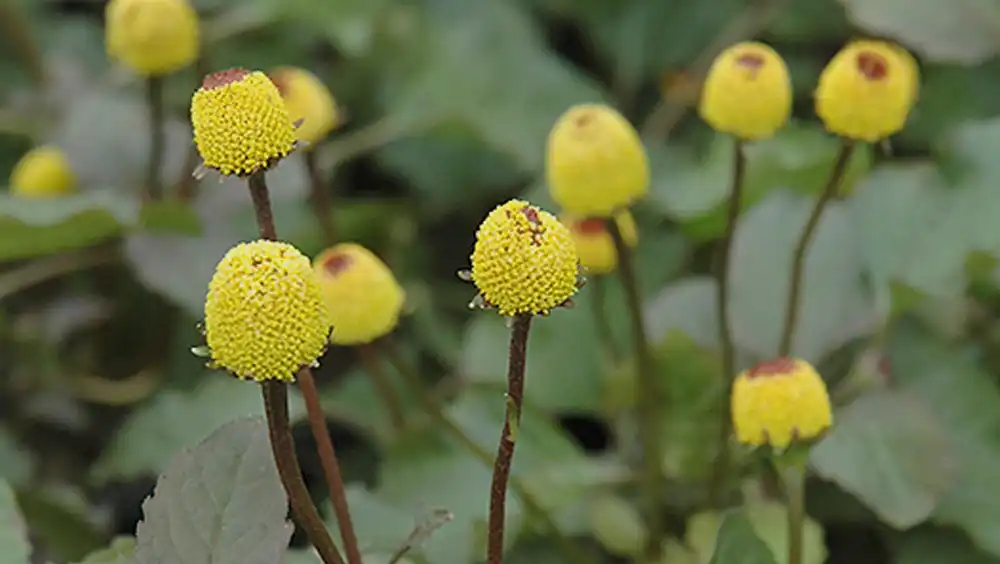
Paracress is a member of the Asteraceae family, which also contains daisies, sunflowers, and chrysanthemums. It is a low-growing annual or perennial herb, growing best in warm areas. This plant normally grows to 20-50 cm tall and has bright green leaves and small yellow flower heads, often with deep crimson or brown centers.
The blooms are shaped like cones, looking like little eyeballs, which is why one of its popular names is Eyeball Plant. The blossoms produce a characteristic buzzing, tingling, and numbing feeling when chewed due to the plant’s major bioactive ingredient, spilanthol.
Scientific Classification:
- Scientific Name: Spilanthes acmella (Synonym: Acmella oleracea)
- Family: Asteraceae
- Genus: Acmella
- Kingdom: Plantae
- Common Names: Toothache Plant, Electric Daisy, Eyeball Plant, Buzz Buttons, Szechuan Buttons,Jambu, Akarkara, Tingflower, Electric Flower,Paracress, and Acmella.
Major Components of Paracress Dried Flowers:
| Component | Description |
|---|---|
| Spilanthol | The primary bioactive alkylamide found in paracress flowers, responsible for the characteristic tingling and numbing sensation. |
| Alkylamides | Naturally occurring compounds that contribute to the plant’s unique phytochemical profile and sensory properties. |
| Flavonoids | Plant-based antioxidant compounds commonly found in flowers, fruits, and herbs. |
| Polyphenols | Natural phytochemicals present in many botanical ingredients that contribute to overall plant defense mechanisms. |
| Essential Oils | Aromatic volatile compounds that provide the flower’s distinctive fragrance and flavor characteristics. |
| Tannins | Naturally occurring polyphenolic compounds found in many herbs and medicinal plants. |
| Terpenes | Organic compounds that contribute to the aroma, flavor, and chemical composition of the flower. |
| Amino Acids | Organic compounds naturally present in plant tissues and involved in various biological processes. |
| Minerals | Trace elements naturally occurring in the dried flowers, contributing to their nutritional profile. |
| Dietary Fiber | Natural plant fiber present in the flower structure that forms part of its botanical composition. |
Uses of Dried Paracress Flowers:
Spice and culinary
One of the growing applications of dried paracress blossoms is as a specialty spice and flavoring agent. The flavor of the blooms is slightly herbaceous and citrusy, followed by a peculiar tingling sensation that thrills the taste senses.
Paracress dried flowers can be powdered and added to spice mixes, spices, marinades, and gourmet sauces. Fusion cooks tend to be creative and employ paracross to provide taste and a novel sensory experience in their food. You may also sprinkle the blossoms over salads or infuse them into oils and vinegars.
Common Culinary Applications
- Gourmet spice blends
- Herbal seasoning mixes
- Sauces and marinades
- Salad toppings
- Herbal teas
- Cocktails and mocktails
- Chocolates and confectionery
- Functional foods
- Craft beverages
- Fine dining recipes
Its unusual mouth-tingling effect has made paracress increasingly popular in modern gastronomy and mixology.
Herbal Tea and Infusions
Paracress dried flowers can be infused in hot water to create an herbal tea. The appeal of these infusions lies in their unique taste and potential health benefits.
You can enjoy it on its own or blend it with other herbs to craft your own botanical beverages.
Traditional Herbal Remedies
Paracress dried flowers has a long history in traditional herbal medicine. The dried flowers are commonly used in:
- Herbal tinctures
- Botanical extracts
- Herbal powders
- Traditional wellness formulations
The flowers are particularly valued because drying helps preserve their active compounds.
Oral Care Products
Paracress-dried flowers are often linked to dental health. Traditional uses involve chewing the blooms to stimulate saliva production and support gum health.
Nowadays, paracress extracts are used in:
- Herbal mouthwashes
- Natural toothpaste
- Oral sprays
- Gum care products
Cosmetic and Skincare
Common cosmetic products include:
- Anti-aging serums
- Facial creams
- Moisturizers
- Skin toners
- Eye creams
- Beauty oils
Benefits of Dried Paracress Flowers:
Promotes Oral Health
Paracress is well known for its role in maintaining excellent dental health. The plant’s natural ingredients increase saliva production, which contributes to maintaining a healthy mouth environment.
High in Antioxidants
The paracress contains flavonoids and polyphenols that have antioxidant activity, which helps protect cells from oxidative stress.
Encourages Healthy-Looking Skin
Paracress extracts are often added to beauty formulas to help make skin firmer, smoother, and younger-looking.
Supports Healthy Living
Paracress dried flowers can be used in traditional herbal therapies to boost general vigor and well-being.
Stimulates Saliva Production
The paracress dried flowers stimulate the salivary glands as you chew them, so you get a refreshing feeling of moisture in the mouth.
Supports Herbal Health Plans
Paracress is a frequent ingredient in health formulas since it has a wide spectrum of plant chemicals.
May Improve Skin Firmness
In cosmetic compositions aimed at improving skin tone and firmness, Spilanthol has recently gained interest.
Multi-purpose botanical ingredient
The blossoms can be turned into beverages, capsules, extracts, powders, tinctures, and cosmetic substances.
Natural Sensory Enhancer
The distinctive buzz from paracress makes it a star ingredient for food and drink.
Long Shelf Life
Paracress dried flowers that are stored properly will stay fresh and can be used for a long time.
How to Use Dried Paracress Flowers ?
Herbal Tea:
For a botanical infusion, place 1–2 flower heads in boiling water and steep for several minutes.
Spice Mix:
Grind the paracress dried flowers into a fine powder. Herbs and spices are excellent for adding unique flavors.
Culinary Uses:
Paracress dried flowers can be used as a garnish, a flavoring, or as an ingredient in gourmet food and drink.
Extracts:
Strong herbal extracts and tinctures are made from the flowers.
Cosmetic Formulator Paracress extracts are common ingredients in beauty preparations and skin care products.
Storage Recommendations: Store in a cool, dry location.
Final Thoughts:
Paracress dried flowers are a remarkable botanical element, recognized for their peculiar tingling sensation, traditional herbal applications, and expanding popularity in culinary and cosmetic industries. These blossoms are high in spicanthol, flavonoids, polyphenols, and other healthy chemicals, and they can be used as a spice, an ingredient in herbal tea, a component in skin care products, and a wellness supplement. The dried blossoms of paracress are gaining ground among consumers looking for new natural ingredients, whether to add to gourmet cuisine, herbal preparations, or beauty treatments.
Frequently Asked Questions (FAQs)
Paracress dried flowers are the preserved flower heads of Spilanthes acmella, known for their tingling sensation and traditional uses.
The flowers create a temporary numbing and buzzing effect in the mouth, leading to its traditional association with oral comfort.
Spilanthol is the primary bioactive compound responsible for many of its unique properties.
Yes, dried paracress flowers are increasingly used in spice blends, seasonings, sauces, and gourmet cuisine.
It has a mildly herbal, citrus-like, and slightly peppery flavor followed by a tingling sensation.
Yes, they are commonly infused in hot water to prepare herbal teas.
Yes, paracress extracts are popular ingredients in anti-aging and skin-firming cosmetic products.
Store them in a cool, dry place in an airtight container away from sunlight and moisture.
Common names include Toothache Plant, Electric Daisy, Buzz Buttons, Eyeball Plant, Jambu, and Szechuan Buttons.
Its natural mouth-tingling effect, combined with its culinary, herbal, and cosmetic applications, makes paracress a truly distinctive botanical ingredient.


