

Dried Chilli – Fiery . Authentic . Himalayan
Dried chilli (Akabare Khursani), known as Dalle Khursani, is Nepal’s famous indigenous spicy pepper grown in Eastern hills. Know about its origin, heat level, uses, health benefits, and global recognition.
Hidden in the hills of Eastern Nepal grows one of the country’s most treasured spice, Dried chilli (Akabare Khursani). Famous for its round shape, fiery heat and rich aroma, it is one of the most famous and spiciest chilli in Nepal. This indigenous Himalayan chilli adds a bold flavor to traditional Nepali cuisine and holds a special place in local food culture.
For many farming families, Dried chilli (Akabare Khursani) are more than just a crop. It is a source of livelihood, tradition and pride passed down through generations. As the global demand for organic and authentic food products is rising to grow, this indigenous chilli is gaining recognition beyond Nepal for its taste, quality and natural cultivation.
We believe Dried chilli (Akabare Khursani) represent more than spice alone. It reflects sustainable farming, support for rural communities and a healthier way of living through organic agriculture. By working closely with local farmers and promoting chemical-free cultivation, we are committed to bringing the authentic taste of Nepal to people around the world.
What are Dried chilies (Akabare Khursani)?
If you have ever tasted Dried chilli (Akabare Khursani), you probably remember it instantly. Small yet intensely spicy, it delivers a powerful heat that makes your eyes water while still tempting you to take another bite. Because of its pungency and distinctive flavor, many people proudly refer to it as the “King of Chilli”.
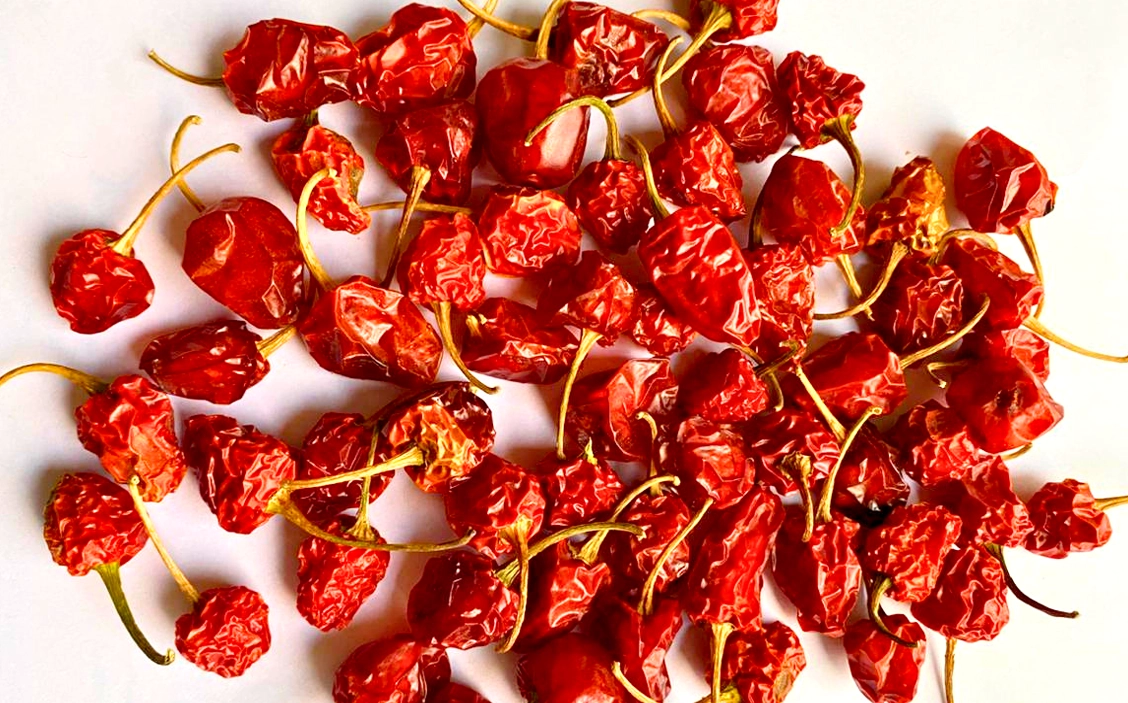
Dried chili (Akabare Khursani) is also known by several other names including Akabare Chilli, Dalle Khursani, Dalle, Red Round Chilli Pepper, Jyanmara Khursani, Red Cherry Chilli and Nepali Round Chilli. In Nepal, the names “Akabare” and “Dalle” are often used interchangeably, with “Dalle” referring to the chillies round appearance. Native to Eastern Nepal, it has traditionally cultivated in the hilly regions such as Ilam, Dhankuta, Panchthar, Taplejung and Sankhuwasabha. The cool climate, fertile soil and Himalayan environment of these regions help produce its unique taste and aroma.
What makes Akabare easy to recognize is its round shape and bright red color when fully ripe. The chilli is highly aromatic with thick flesh and intense pungency compared to common green chilli used in daily cooking.
CHARACTERISTICS, APPEARANCE AND TASTE PROFILE
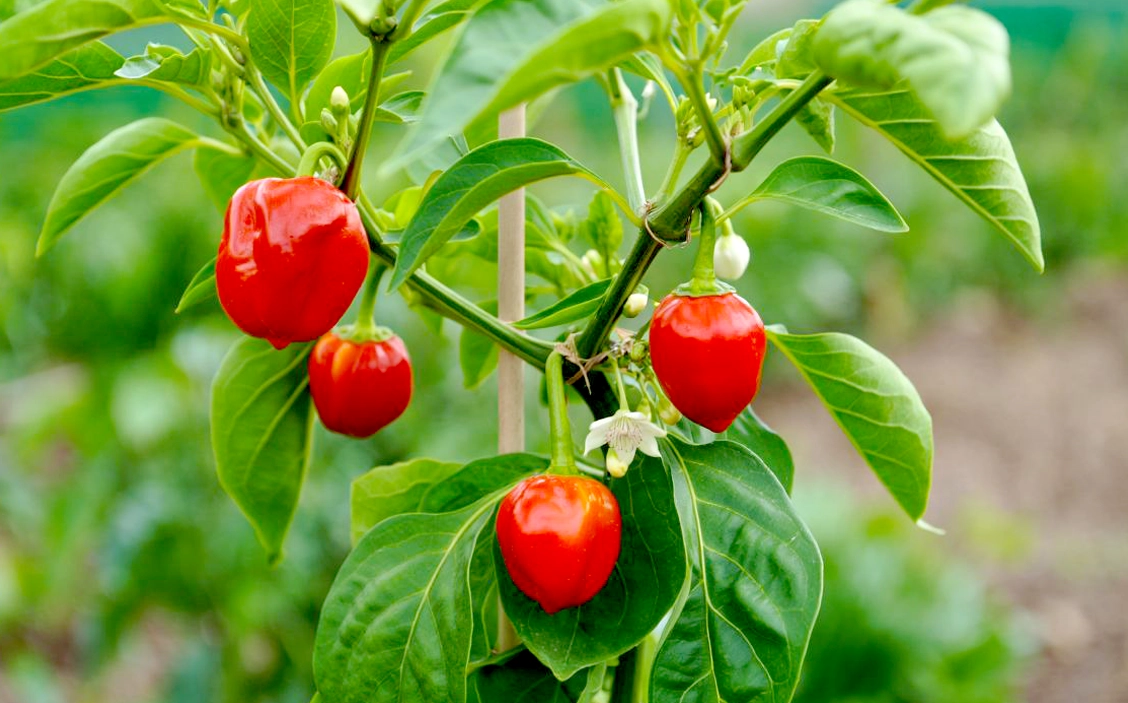
Dried chilli (Akabare Khursani) is a small, round chilli that grows to about the size of a cherry. It is green when young and slowly turns bright red as it ripens. The skin is smooth, and the flesh is thicker than regular chilli, which makes it feel a bit juicy when eaten fresh.
It is very spicy, but the taste is not just the heat. It has slightly fruity flavor and a strong aroma, especially when it is dried or cooked.
The heat comes quickly and stays for a while, which is why it is used in small amounts in Nepali food. Overall, it is known for its balance of strong spice, simple sweetness and rich flavor.
SCIENTIFIC CLASSIFICATION OF DRIED CHILLI (AKABARE KHURSANI)
Botanical Classification:
Dried chilli (Akabare Khursani) belongs to the Capsicum annum species under the Solanaceae family, which also includes tomatoes, potatoes and several other chilli peppers.
Kingdom: Plantae
Family: Solanaceae
Genus: Capsicum
Species: Capsicum annuum
Physical Characteristics
Akabare is recognized for its glossy skin, rounded appearance and vibrant red color when mature. It is widely valued for its fruity aroma, strong pungency and rich flavor profile.
HEAT LEVEL AND SCOVILLE SCALE
Dried chilli (Akabare Khursani) are considered one of Nepal’s hottest indigenous chilli. Its pungency is measured using the Scoville Heat Unit (SHU) scale, which is internationally used to measure chilli heat intensity. Akabare generally ranges between 100,000 and 350,000 SHU, placing it far above ordinary cooking chilli and closer to internationally recognized hot peppers. It is often compared with Habanero peppers because of its intense heat and fruity flavor profile. However, beyond its spiciness, Akabare is especially appreciated for its balanced flavor, rich aroma and culinary versatility.
One Interesting Fact:
The name “Akabare” became more popular after the 1990s, while “Dalle Khursani” is the older traditional name.
GROWING RECOGNITION BEYOND NEPAL
With increasing interest in traditional Himalayan foods and organic agricultural products, Dried chilies (Akabare Khursani) is gaining recognition beyond Nepal. Its unique flavor, strong pungency and cultural identity have attracted attention from spice enthusiasts, chefs and specialty food markets internationally.
HISTORY AND CULTURAL IMPORTANCE OF AKABARE CHILLIES IN NEPAL
Dried chilli (Akabare Khursani) is more than just a chilli in Nepal, it is a part of the country’s identity known for its fiery heat, rich aroma, and deep connection to traditional Nepali food culture. Though it is small and round, Akabare carries a bold character that has made it one of the most loved chilli across the country, especially in the eastern hills of Nepal where it has been grown for generations.
In regions like Ilam, Panchthar, Dhankuta and Taplejung, Dried chilli (Akabare Khursani) is not simply treated as crop but as a part of everyday life. Families have cultivated it for decades using traditional farming methods passed down from generations. It is commonly grown in home gardens, small farms, and hillside terraces where the climate naturally supports its strong flavor and heat.
Geographic Growing Regions
Dried chilli (Akabare Khursani) is mainly cultivated in the eastern and mid-hill regions of Nepal. Districts such as Ilam, Panchthar, Dhankuta, Taplejung and Sankhuwasabha are especially known for producing high-quality Akabare due to their cool climate, fertile soil and favorable altitude.
The chilli grows well in hilly environments with moderate rainfall, good drainage and organic-rich soil, making Eastern Nepal an ideal region for its cultivation.
THE ROLE OF SPICE IN TRADITIONAL NEPALI CUISINE
Importance of Spice in Daily Meals !
In many Nepali homes, meals are simple yet balanced. A traditional plate of dal bhat, vegetables and achar may appear modest, but spice brings depth, contrast and satisfaction to the meal.
In Nepali cuisine, spice is not only about extreme heat. It is about balance, flavor and enhancing everyday food experiences. Even a small amount of spicy achar or fresh chilli can transform a simple meal.
Relationship with Dal Bhat Culture !
Dal bhat is at the heart of Nepali cuisine and is generally mild, nutritious and comforting. To complete the meal, spicy side dishes are often served alongside it.
Among various chilli, Dried chilli (Akabare Khursani) plays a special role by adding rich heat and depth of flavor that complements rice, lentils, vegetables and pickles without overpowering them.
Why Nepali Food Relies on Achar and Chutneys ?
Achar and chutneys are an essential part of Nepali food culture because they add spice, sourness, flavor and variety to simple meals. They also help preserve seasonal ingredients for longer periods, especially in rural households.
Dried chilli (Akabare Khursani) is widely used in these preparations because its intense heat and rich flavor make traditional Nepali pickles and chutneys more vibrant and distinctive.
Akabare in Everyday Cooking
In Nepali households, Akabare is commonly enjoyed raw with salt, tomatoes or homemade pickles. During harvest season, families prepare fresh Akabare achar using traditional recipes passed down through generations.
Whether added to curries, crushed into chutneys or eaten fresh, Akabare remains an important companion on the Nepali dining table.
TRADITIONAL USES OF DRIED CHILIES (AKABARE KHURSANI)
Dried chilli (Akabare Khursani) is not only known for its intense heat but also for its deep cultural ad culinary importance in Nepali households. Beyond being used in pickles and chutneys, it plays a versatile role in everyday cooking and traditional food practices across Nepal. From drying and grinding to blending and tempering, Akabare is used in many ways that enhance both flavor and aroma in local cuisine.
- Akabare ko Achar: A traditional spicy pickle made by mixing fresh Akabare with mustard oil, salt and local spices, widely enjoyed as a side dish.
- Homemade chutneys and pickles: Prepares with ingredients like garlic, tomatoes, and herbs to create fresh, spicy condiments for daily meals.
- Fermented preparations: Akabare is sometimes mixed into fermented foods to enhance taste and improve preservation over time.
- Use in local dishes and condiments: Added directly into curries, soups and side dishes to bring heat, depth and aroma to simple meals.
- Sun-dried Dried chilies (Akabare Khursani): Chillis are dried under the sun and stored for long periods, then used later in cooking when fresh ones are unavailable.
- Chilli powder preparation: Dried Akabare is ground into powder form, which is used as a spice to intensify flavor and color to the dishes.
- Spice paste base: Fresh Akabare is blended with garlic, ginger and spices to create rich masala pastes used in curries and stir-fries.
- Tempering (tadka): Sliced or crushed Dried chilies (Akabare Khursani) is fried in oil or ghee to release its natural oils and enhance the taste of dal, vegetables and meat.
- Traditional home remedy use: Used in small amounts to support digestion and help relieve cold and nasal congestion in traditional practices.
- Eaten fresh as a side: Consumed alongside dal bhat, chiura and roasted maize to enhance simple everyday meals.
- Smoke-dried preservation: In rural areas, chilli are sometimes dried near kitchen smoke, giving them a unique smoky flavor and longer shelf life.
- Festival snacks: Used with foods like selroti, pakora (fritters) and roasted grains to add a spicy kick during snacks or festivals.
- Infused mustard oil: Sometimes Akabare is soaked or infused in oil to create spicy cooking oil used in daily meals.
Capsaicin, the compound responsible for chilli heat, has shown mild antimicrobial properties in laboratory studies. However, its role in food preservation is considered supportive rather than a primary preservation method.
STORAGE AND SHELF-LIFE
Fresh Dried chilli (Akabare Khursani) is usually stored in cool, dry conditions to maintain freshness and aroma. For longer preservation, the chilli are commonly sun-dried, fermented, pickled or processed into powder and paste.
Proper drying and storage help preserve the chilli’s natural pungency, color and flavor while reducing spoilage caused by moisture and humidity.
CULINARY APPLICATION IN THE NEPALI FOOD INDUSTRY
Uses in Hot Sauces
Dried chilli (Akabare Khursani) is widely used in Nepali hot sauces because of its strong heat and distinct aroma. It is blended with garlic, vinegar and timur to create sauces served with momo, chowmein and snacks.
Chilli Powder and Paste
Akabare is processed into chilli powder and paste for cooking and commercial food production. These products are commonly used in curries, marinades, spice blends and traditional pickles.
Gourmet and Fusion Foods
Modern restaurants and cafes increasingly use Akabare in fusion cuisine including spicy mayonnaise, chilli oils, gourmet burgers, pasta toppings and creative dipping sauces.
Commercial Food Products
Akabare is now used in packaged food products including instant noodle seasoning, ready-to-eat meals, spice blends and achar products to maintain authentic Nepali flavor.
NUTRITIONAL COMPOSITION
Dried chilli (Akabare Khursani) is a nutrient-rich chilli containing essential vitamins, minerals and bioactive compounds in small but meaningful amounts.
Capsaicin Content
Capsaicin is responsible for the heat in Dried chilies (Akabare Khursani) and is associated with thermogenic and metabolic activity.
Vitamins and Minerals
Akabare contains vitamin C, vitamin A and small amounts of B vitamins along with minerals such as potassium, magnesium and iron.
Antioxidants and Bioactive Compounds
The chilli contains antioxidants including flavonoids and carotenoids which help protect cells from oxidative stress.
Nutritional Importance
Even in small quantities, Akabare enhances flavor while contributing nutrients that may support digestion, appetite and general wellness.
HEALTH BENEFITS AND TRADITIONAL BELIEFS
Dried chilli (Akabare Khursani) has long been valued in traditional Nepali food practices for its warming nature and flavorful properties.
Digestive Support
It may help stimulate appetite and support digestion when consumed in moderate amounts.
Metabolism and Body Warmth
Capsaicin may promote thermogenesis, helping the body feel warmer and potentially supporting metabolic activity.
Antioxidant Properties
Its natural antioxidants may contribute to overall wellness by helping reduce oxidative stress.
Traditional Wellness Uses
In traditional Nepali practices, Akabare is often considered a warming food commonly consumed during colder seasons.
AKABARE AND EASTERN NEPAL’S FARMING HERITAGE
Dried chilli (Akabare Khursani) is deeply connected to the agricultural traditions of Eastern Nepal, where it supports rural livelihoods and preserve local farming knowledge.
Small-Scale Hill Farming
Akabare is generally cultivated on terraced hill slopes using mixed farming systems alongside maize, millet and vegetables.
Traditional Agricultural Knowledge
Farmers rely on generations of local knowledge related to seed selection, seasonal timing and natural farming methods.
Seed Preservation Practices
Many farmers save seeds from healthy plants after harvest to preserve the chilli’s original flavor, shape and pungency.
Community-Based Cultivation
In several villages, farming activities involve community cooperation and informal seed exchange systems that strengthen traditional agricultural practices.
CULTIVATION PROCESS OF DRIED CHILLI (AKABARE KHURSANI)
Seed Selection
Farmers select seeds from healthy and productive plants to preserve the quality and characteristics of Akabare.
Soil Preparation
Akabare grows best in fertile, well-drained soil enriched with compost and organic matter.
Planting Season
Seeds are generally sown before the monsoon season and later transplanted into prepared fields.
Irrigation and Maintenance
Regular irrigation, weeding and natural pest management help maintain healthy plant growth.
Harvesting Techniques
The chilli are harvested manually once they develop their characteristic bright red color.
ORGANIC AND SUSTAINABLE FARMING PRACTICES
Chemical-Free Cultivation
Many farmers use natural compost and traditional farming methods with minimal chemical inputs.
Eco-Friendly Agriculture
Akabare cultivation supports environmentally friendly agriculture through small-scale farming and reduced chemical use.
Biodiversity Conservation
Traditional farming practices help preserve indigenous seed varieties and agricultural biodiversity.
Sustainable Hill Farming Systems
Akabare adapts well to Nepal’s hill farming systems and supports long-term rural sustainability.
Home gardening and small-scale cultivation
Dried chilli (Akabare Khursani) can also be grown in home gardens, kitchen gardens and containers with proper sunlight, drainage and moisture.
Its adaptability and relatively simple maintenance make it suitable for household cultivation and small-scale organic farming.
Harvesting and Post-Harvest Handling
Proper harvesting and post-harvest handling are essential to preserve freshness, pungency and market value.
Harvest Timing
The chilli are harvested once fully mature and bright red in color.
Drying and Preservation Methods
Akabare may be sun-dried, fermented or processed into powders, pickles and sauces.
Storage Techniques
Proper storage helps protect the chilli from moisture, pests and contamination.
Maintaining Quality and Pungency
Careful handling preserves natural flavor, aroma and commercial value.
ECONOMIC IMPORTANCE OF DRIED CHILLI (AKABARE KHURSANI)
Source of Rural Livelihood
Akabare farming provides income opportunities for many households in Eastern Nepal.
Market Demand in Nepal
Demand remains high because of its popularity in achar, chutneys and spicy dishes.
Income Opportunities for Farmers
Value-added products such as sauces, powders and pickles increase commercial opportunities.
Role in Agricultural Economy
Akabare contributes to local trade, rural businesses and indigenous agriculture.
GROWING GLOBAL RECOGNITION
International Demand for Himalayan Products
Traditional Himalayan food products are gaining increasing international attention.
Popularity Among Spice Enthusiasts
Akabare is appreciated by chilli lovers seeking authentic and intensely spicy peppers.
Export Potential
Processed Akabare products have growing export potential in specialty food markets.
Global Specialty Food Market
Organic and traditional food trends continue to create opportunities for indigenous Nepali products.
AKABARE-BASED PRODUCTS
- Pickles and chutneys
- Dried chilli
- Chilli powder
- Hot sauces
- Organic spice products
- Packaged achar products
- Chilli pastes and marinades
COMPARISON WITH OTHER CHILLIES
Akabare vs Dalle Khursani
The names Akabare and Dalle Khursani are often used interchangeably in Nepal, although regional naming differences may exist.
Akabare vs Habanero
Both chilli are known for strong heat and fruity flavor, though Akabare carries a distinct Himalayan culinary identity.
Flavor vs Heat Comparison
Akabare is valued not only for pungency but also for its rich aroma and flavor depth.
What Makes Akabare Unique?
Its round shape, vibrant color, intense heat and cultural significance make it one of Nepal’s most distinctive indigenous chilli.
CHALLENGES IN AKABARE PRODUCTION
Climate Change Impact
Irregular rainfall and changing weather patterns can affect production quality and yield.
Pest and Disease Problems
Fungal diseases and insects remain common agricultural challenges.
Transportation and Market Access
Remote hill regions may face transportation and market accessibility difficulties.
Maintaining Indigenous Varieties
Protecting traditional seed varieties is important as commercial hybrids become more common.
PRESERVING INDIGENOUS AGRICULTURAL HERITAGE
Importance of Seed Conservation
Saving and reusing original seeds so Dried chilies (Akabare Khursani) keeps its real taste, heat, and natural qualities over time instead of changing or disappearing.
Protecting Traditional Knowledge
Keeping old farming methods, recipes, and cultural practices alive that farmers have used for generations.
Role in Agricultural Biodiversity
Growing native crops like Akabare helps maintain variety in farming. This is important because biodiversity makes farming stronger, healthier, and more sustainable.
Future of Indigenous Crops in Nepal
If people continue to value and support these crops, they won’t disappear and will be available for future generations.
SUSTAINABILITY AND SDGs Commitment !
Supporting Rural Communities
Akabare farming contributes to rural livelihoods and local economic development.
Women in Agriculture
Women actively participate in farming, harvesting, and food processing, contributing to empowerment and livelihood.
Climate-Friendly Farming
Traditional mixed farming systems used in Akabare cultivation are more natural and environmentally sustainable.
Fair Trade and Ethical Sourcing
Fair pricing and ethical supply chains can improve income and opportunities for local farmers.
Biodiversity Protection
The cultivation of indigenous chilli helps preserve local plant diversity and farming traditions.
INTERESTING FACTS ABOUT AKABARE
- Akabare is often called the “King of Chilli” in Nepal.
- It is recognized for its small round shape and glossy red appearance.
- It is widely used in Nepali achar and chutney preparations.
- The chilli is strongly associated with Eastern Nepal’s agricultural identity.
Frequently Asked Questions (FAQs)
What is Dried chilli (Akabare Khursani)?
Dried chilli (Akabare Khursani) is a famous round-shaped chilli pepper grown mainly in Eastern Nepal. It is known for its intense heat, fruity aroma and bright red color. It is also called “Dalle Khursani” or “King of Chilli.”
Is Dried chilies (Akabare Khursani) and Dalle Khursani the same?
Yes, in Nepal the names Dried chilli (Akabare Khursani) and Dalle Khursani are commonly used for the same chilli variety. “Dalle” refers to its round shape while “Akabare” is associated with its strong and unique character.
How spicy is Dried chilies (Akabare Khursani)?
Dried chilli (Akabare Khursani) is extremely hot, ranging from about 100,000 to 350,000 Scoville Heat Units (SHU), making it comparable to Habanero peppers.
Where is Dried chilies (Akabare Khursani) mainly grown?
It is mainly cultivated in the eastern hill regions of Nepal, especially in districts such as Ilam, Panchthar, Taplejung and surrounding Himalayan areas.
Why is Dried chilli (Akabare Khursani) popular in Nepal?
It is loved for its strong heat, unique aroma and ability to enhance simple Nepali meals like dal bhat, achar and chutneys. It also has cultural and agricultural importance in hill farming communities.
What dishes use Dried chilies (Akabare Khursani)?
Dried chilli (Akabare Khursani) is commonly used in pickles (achar), chutneys, hot sauces, chilli paste, and spicy side dishes served with momo, dal bhat and snacks.
What color does Dried chilli (Akabare Khursani) turn when ripe?
The chilli is green when unripe and becomes bright red when fully mature.
Does Dried chilli (Akabare Khursani) have health benefits?
Dried chilli (Akabare Khursani) contains capsaicin, vitamins and antioxidants that may support digestion, metabolism and body warmth when consumed in moderation.
Can Dried chilli (Akabare Khursani) be grown at home?
Yes, it can be grown in pots or farms if provided with warm temperatures, sunlight and well-drained soil. The plant does not tolerate frost well.
Is Dried chilli (Akabare Khursani) economically important?
Yes, it is an important cash crop for many farmers in Eastern Nepal and has growing demand in pickle, spice and processed food industries.
Why is it sometimes called “Jyanmara Khursani”?
“Jyanmara” means “life-taking” or “extremely dangerous” in Nepali slang, a nickname given because of the chilli’s intense spiciness.
Are you looking for Dried Akabare Chilli?
For gourmet buyers, food brands, and spice importers, this fiery Himalayan chili offers a rare opportunity to enrich portfolios with a high‑value indigenous spice. Celebrated for its distinctive flavor, intense heat, and deep cultural heritage, Akabare Khursani is the perfect choice for businesses seeking authenticity and premium quality.
At National Organics, we provide more than just a spice—we deliver reliability, ethical sourcing, and full compliance with international standards. Contact us today to request samples, explore bulk sourcing options, or discuss long‑term partnership opportunities. With our commitment to steady supply and sustainable practices, we ensure your business gains dependable access to one of the world’s most unique and globally recognized chilies.

